Mario and Luigi: The Timeless Brothers Shaping Video Game History
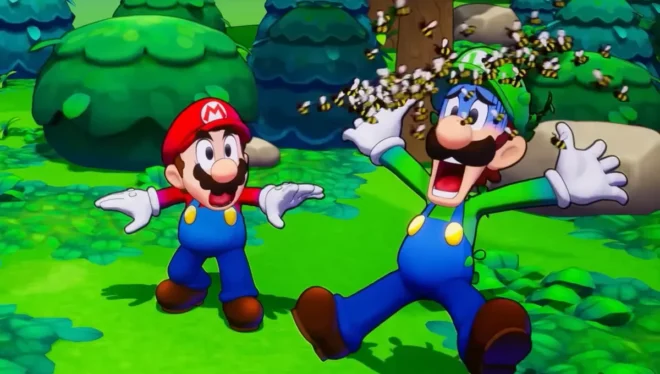
For decades, Mario and Luigi have stood as iconic figures in video game history, captivating players across generations with their enduring adventures and shaping the landscape of interactive entertainment worldwide.
TL;DR
- Nintendo keeps Mario and Luigi’s ages deliberately vague.
- Baby versions add to timeline confusion in games.
- This timelessness helps the brothers’ universal appeal endure.
A Mystery That Spans Generations
From pixelated arcades to the vibrant landscapes of the Switch, the iconic duo of Mario and Luigi have never shown their age—a fact that continues to intrigue generations of fans. The question persists: do these beloved brothers, who seem eternally spry, actually have an official age? Despite decades of adventures as plumbers, party hosts, or even Olympic athletes, any hint at a precise number remains elusive.
Nintendo’s Calculated Ambiguity
This is no mere oversight. Rather, Nintendo has made a conscious choice to shroud its flagship heroes in mystery. While other franchises—take The Legend of Zelda, for instance—may offer specific details about characters like Link’s age or progression, the world of Mario offers no such clarity. Throughout main titles and spin-offs alike, the brothers retain their familiar adult forms without so much as a nod to their birth certificates. This policy isn’t accidental; instead, it fuels endless fan theories and lively debate within the gaming community.
The Paradox of Baby Mario and Luigi
Matters only get murkier with the introduction of Baby Mario and Baby Luigi. First appearing in Yoshi’s Island, these infant versions sometimes share screen time with their adult counterparts—in games such as Mario Kart. Titles like Mario Tennis Fever, where transformations into baby forms occur mid-storyline, further upend attempts at establishing a logical timeline. Are these alternate realities? Playful doubles? Or simply creative license at work from Nintendo’s storytellers?
It’s worth noting:
- The coexistence of baby and adult versions challenges chronological logic.
- No single game offers definitive answers on age or continuity.
- This strategy invites speculation rather than providing clear-cut lore.
The Secret to Timeless Appeal?
An old interview with Shigeru Miyamoto once suggested that Mario “was born 25 years ago,” but context reveals this referred to an anniversary—not an actual age. No official statement has ever settled the matter. For some diehard players, this ambiguity can be mildly frustrating. Yet there’s a case to be made that such intangibility is central to Mario and Luigi’s ongoing success. By sidestepping strict narrative constraints or explicit timelines, these characters remain universally relatable—able to charm both children discovering them for the first time and adults returning for nostalgia’s sake.
In short, perhaps it’s this very agelessness that cements them as enduring symbols not just for Nintendo, but for video games as a whole.