Emmanuel Macron Views Recognition of Palestinian State as a Step Toward Peace
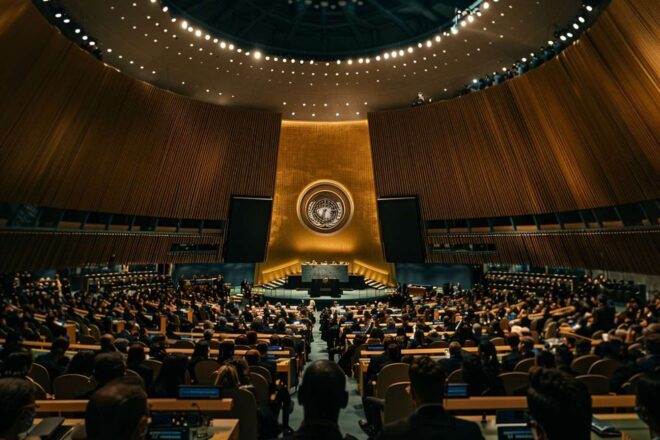
French President Emmanuel Macron views the recognition of a Palestinian state as an important move towards achieving peace in the Middle East, emphasizing its potential role in advancing diplomatic efforts and addressing longstanding regional tensions.
TL;DR
A Shift in France’s Middle East Diplomacy
A significant shift is underway in French foreign policy, as President Emmanuel Macron made a strong case for the urgent recognition of a Palestinian state. Amid mounting tensions and rapid developments in the Middle East, Macron took to national television on Tuesday, September 23, 2025, granting an interview to journalist Patrick Sauce on BFMTV. His central message: recognizing Palestine is both timely and essential, not just for France but as part of a wider push for stability.
An International Momentum Builds
France is far from alone in this initiative. In recent days, eleven additional countries—including the United Kingdom, Canada, Australia, Luxembourg, Belgium, and Portugal—have signaled support, swelling the ranks of nations backing Palestinian statehood to a total of 142. Macron emphasized that this move is designed to advance a lasting peace in the region by further isolating the militant group Hamas. As he put it, “it’s a collective effort.”
The list of supportive countries reflects a growing international consensus, hinting at shifting attitudes toward the longstanding conflict. The urgency in Macron’s tone underscores how much France wishes to contribute to efforts for regional stability.
A Divided Response at Home
Yet not everyone within France’s political establishment shares this sense of urgency or unity. Reaction has been notably mixed inside Macron’s own camp. Some leaders have chosen conspicuous silence: most strikingly, Gabriel Attal, president of the Renaissance party, opted instead to comment publicly about football star Ousmane Dembélé’s Ballon d’Or win rather than address the presidential announcement.
However, other figures within Macron’s circle have acknowledged the importance of this diplomatic gesture. For instance:
The Left Leans In—But Uncertainty Remains
Support for Macron’s stance has been most vocal among those on his party’s left wing. Deputy Pieyre-Alexandre Anglade declared that France was living up to its historical responsibilities and expressed gratitude for what he called an “honor” brought by Macron’s decision.
Still, as France steps into this challenging diplomatic arena with its new position on Palestinian recognition, much remains uncertain. Whether these efforts will meet the aspirations of their advocates or shift dynamics in the region is yet to be seen. For now, all eyes are on Paris as it helps shape what could be a new chapter in Middle Eastern diplomacy.