The Amazing Spider-Man TV Series: Reasons for Its Failure
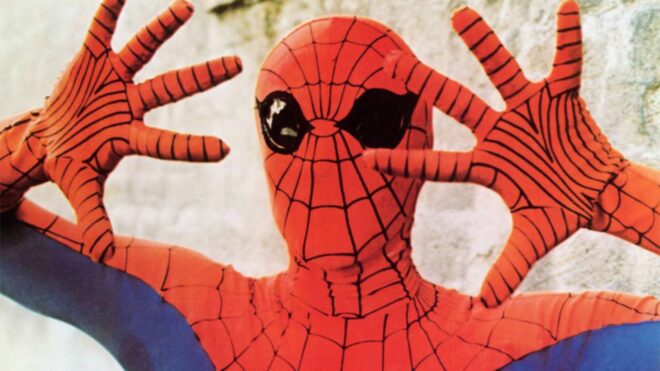
CBS / PR-ADN
The television adaptation of The Amazing Spider-Man struggled to win over audiences and critics alike, falling short of expectations despite the popularity of its comic book source material. Its disappointing reception ultimately marked it as an unsuccessful entry in superhero television.
TL;DR
- 1977 CBS Spider-Man TV series disappointed many fans and creators.
- Stan Lee harshly criticized its lack of comic spirit.
- Technical achievements noted, but core elements were lost.
A Superhero’s Small Screen Struggle
When the iconic red-and-blue-suited figure swung onto television screens in 1977, few could have predicted the controversy that would follow. The CBS adaptation, The Amazing Spider-Man, was positioned as a potential primetime hit, yet quickly became a lightning rod for debate within both fan and creator circles. While initial ratings suggested curiosity from viewers, the series soon ran into creative roadblocks—most notably resistance from one of its very originators.
Stan Lee’s Disappointment: An Unforgiving Critique
From the earliest stages of production, Stan Lee, the renowned co-creator of Spider-Man, voiced clear skepticism about CBS’s approach. He lamented decisions by producers such as Daniel R. Goodman and Charles Fries, who sought to adapt the character for mass appeal—even if it meant veering sharply away from the comic’s distinctive DNA. In various interviews, including a candid exchange with the Television Academy in 2004, Lee didn’t mince words: “They stripped away the humor and personal struggles that defined Peter Parker.” For him, what appeared on screen bore little resemblance to the nuanced hero beloved by millions.
The Price of Adaptation: What Was Lost?
Several factors explain this creative disconnect:
- The core contrast between Peter Parker’s private life and superhero persona faded into background noise.
- The witty self-awareness and moral quandaries of the comics were largely absent.
- Squeezed by tight budgets and network constraints, storylines substituted complex villains with run-of-the-mill criminals, transforming Los Angeles into an awkward stand-in for New York.
The cumulative effect was a series that failed to capture either long-term audience loyalty or critical enthusiasm. Although viewership was respectable at first, only thirteen episodes were produced before cancellation in 1979—a testament to unmet expectations.
A Mixed Legacy and Technical Footnotes
Yet not everything about this brief chapter in television history deserves dismissal. Even Lee—never shy with criticism—acknowledged the technical ingenuity behind certain stunts, particularly scenes showcasing Spider-Man scaling skyscraper walls. Given the era’s limitations, those sequences impressed even hardened skeptics. However, admiration for these moments couldn’t compensate for what many saw as betrayals of essential themes and character depth.
Ultimately, this adaptation stands as a cautionary tale—a reminder that capturing a legend requires more than costumes and action sequences; it demands fidelity to what made that legend resonate in the first place.