How Many Almonds to Eat Daily for Health Benefits
ADN
Determining the ideal daily intake of almonds is essential for maximizing their health benefits. Experts weigh in on how portion size can influence nutrition, offering practical advice to help individuals incorporate this nutrient-rich nut into their diets effectively.
TL;DR
- Ideal portion: about 30g, or 20-25 almonds daily.
- Nutritional benefits include protein, fiber, and healthy fats.
- Moderation is key; excess may cause unwanted effects.
How Many Almonds Should You Eat Each Day?
Determining the right amount of almonds to include in your daily routine is a recurring question for health-conscious individuals. Despite their glowing reputation among both dietitians and snack lovers, the matter of quantity requires thoughtful consideration.
The Nutritional Appeal of Almonds
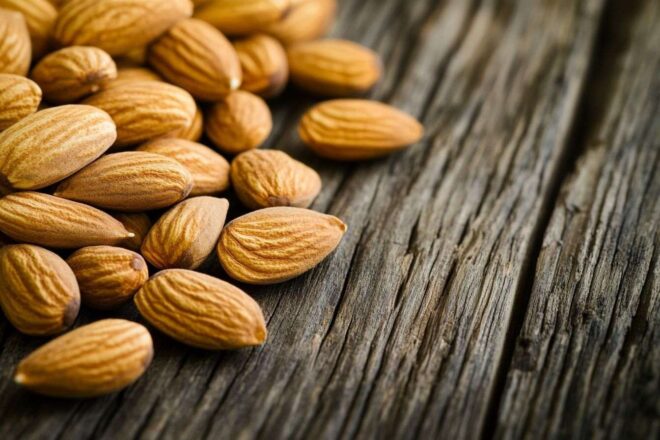
What draws so many people to almonds? The answer lies in their remarkable nutrient profile. A modest serving—roughly 30 grams or about 20 to 25 whole nuts—delivers approximately 160 to 170 calories. Within this small handful, you’ll find nearly 6 grams of protein, up to 4 grams of fiber, and around 14 grams of predominantly monounsaturated fats—widely recognized for their heart-protective qualities. Add to that a generous dose of vitamin E, magnesium, and other essential minerals, and it’s clear why these nuts are so highly regarded.
Beyond Basic Nutrition: Surprising Health Benefits
Researchers have found that the advantages of eating almonds extend further than basic nutrition. Owing to their fiber content and plant compounds, almonds function as a mild prebiotic—fostering beneficial gut bacteria and stimulating the production of short-chain fatty acids. Animal and human studies suggest these effects may have favorable impacts on inflammation and overall metabolism.
One might worry that such an energy-dense snack could sabotage waistlines. In reality, however, almonds’ unique combination of protein, fiber, and healthy fats can increase satiety following meals, which helps curb snacking later on. There’s also evidence indicating that a small almond portion eaten as a snack or before meals may temper post-meal blood sugar spikes.
Several factors explain how best to enjoy almonds:
- Choose unsalted varieties to limit sodium intake.
- Select roasted or raw according to personal taste.
- Add them to plain yogurt or pair with fresh fruit for variety.
A Note on Moderation and Caution
Even with all these positives, moderation remains crucial. Those keeping an eye on calorie intake should be mindful—multiple handfuls per day can quickly add up. Individuals with nut allergies must completely avoid almonds due to serious health risks. And excessive consumption might increase levels of phytates or oxalates, which could impair mineral absorption in some cases.
In sum: enjoying the exceptional benefits of almonds is possible—and even recommended—but only when guided by balance and common sense.