Original iPhone SE Now Officially Classified as Obsolete
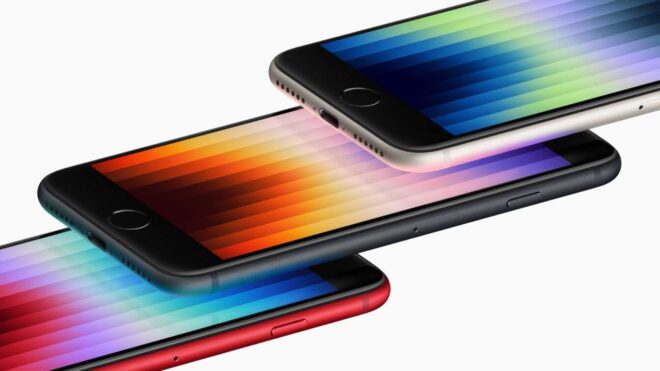
Apple / PR-ADN
Apple has formally classified the first-generation iPhone SE as obsolete, ending its eligibility for official repairs and support. This move marks a significant moment for fans of the compact smartphone, which debuted in 2016.
TL;DR
- Apple declares the original iPhone SE officially obsolete.
- Support and official repairs for the device have ended.
- Apple’s affordable models now follow modern design trends.
The Original iPhone SE: End of an Era
The curtain has finally fallen on the first generation of the iPhone SE, a device that once redefined what a budget-friendly smartphone could be. Back in 2016, as the demand for affordable smartphones surged, Apple introduced this compact model—just 4 inches, with its instantly recognizable physical home button and first-generation Touch ID. It was a nod to both nostalgia and practicality, borrowing much from the beloved design of the iPhone 5s. The aim was clear: offer a more accessible alternative to Android without sacrificing the signature Apple experience.
The Meaning of Obsolescence
Now, eight years after its debut, the original iPhone SE enters Apple’s “obsolete” category. In Apple’s product lifecycle, “vintage” means sales stopped over five years ago—these devices can sometimes still be repaired at select official partners while parts last, though software updates have ceased. But “obsolete” goes one step further. Once this threshold is crossed (typically seven years after end of sales), all support dries up: no more official repairs or spare parts. For the original SE, even these rare exceptions—sometimes allowed for select MacBook batteries—do not apply.
A Shift Towards Modernity
This transition reflects a broader shift within Apple’s approach to its entry-level lineup. The first iPhone SE launched at an appealing $399 price point with just 16 GB of storage, and remained on sale until 2018 before being replaced by a newer version two years later. Today, however, affordability has taken on a new form in Cupertino’s strategy. With the introduction of this year’s iPhone 16e, Apple’s economical offering features an OLED display, Face ID supplanting older unlocking methods, and robust processing power compatible with Apple Intelligence. Prices too have changed—the most accessible model now starts at $599 for 128 GB.
Several factors explain this evolution:
- A push towards contemporary design standards like larger OLED screens.
- An emphasis on advanced security features such as Face ID.
- Integration with artificial intelligence capabilities requiring modern hardware.
The Future of Budget iPhones
For those attached to the diminutive form factor and tactile buttons of earlier generations, such changes may feel bittersweet. The gradual disappearance of these hallmarks signals not just technological progress but also a departure from certain defining features that once set Apple’s budget offerings apart. Rumors already suggest that next year’s possible iPhone 17e will continue down this path, further refining—but not reviving—the legacy of the original SE.