Best Place to Store Your Toothbrush Safely—Not the Bathroom
ADN
Many people store their toothbrushes in the bathroom, but experts warn this may not be the safest option. Concerns over hygiene and exposure to germs have prompted recommendations for alternative storage locations to better protect oral health.
TL;DR
- Bathroom air spreads bacteria onto your toothbrush.
- Store brushes in dry, ventilated areas outside the bathroom.
- Replace toothbrushes every three months for hygiene.
A Hidden Threat in Your Bathroom
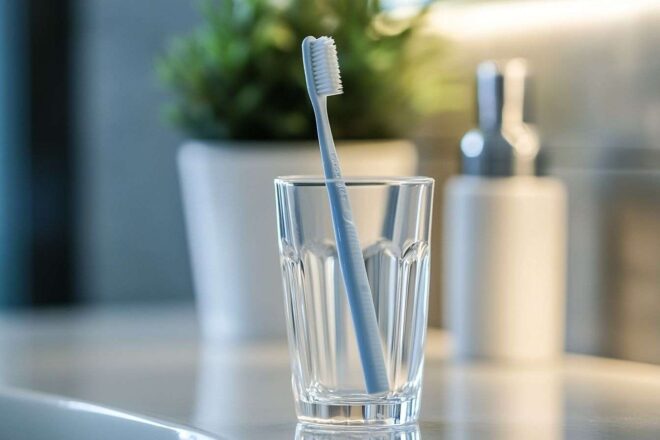
Many people place their toothbrushes in a cup next to the sink, rarely considering that this daily habit could be compromising their oral health. According to experts specializing in oral hygiene, the bathroom—ironically—stands out as one of the least suitable locations for storing a toothbrush. The explanation is straightforward: each time you flush the toilet, invisible droplets known as toilet plume are released into the air, settling on surfaces throughout the room. Toothbrushes positioned nearby become unwitting targets for these microscopic particles.
Smart Storage: Simple Habits Make a Difference
So, what practical steps can be taken? Dental professionals suggest several easy-to-adopt routines that can drastically reduce bacterial exposure:
- Store your toothbrush somewhere dry and well-ventilated—outside the bathroom if possible, such as in a hallway cabinet or even your bedroom.
- Avoid airtight containers; instead, use an open, upright holder that promotes air circulation and drying.
- Allow the brush head to dry completely before covering it—especially relevant when traveling or living with roommates—to prevent turning the cap into a microbe incubator.
- Assign each family member their own dedicated spot, ensuring no two brushes come into contact.
Mistakes That Undermine Toothbrush Cleanliness
A few missteps persist despite being well-documented by specialists. Storing a toothbrush inside the shower exposes its bristles to lingering steam and warmth, ideal conditions for bacterial growth. Placing it flat encourages water retention; meanwhile, leaving it too close to the toilet increases contamination risk significantly. For those who must keep their brush in the bathroom, experts recommend maintaining at least six feet—about two meters—of distance from the toilet. Additionally, worn bristles trap debris more easily; replacing your toothbrush every three months is a crucial step toward better oral hygiene.
Caring for Your Dental Ally
It’s not necessary to resort to extreme cleaning measures. Thorough rinsing after each use is generally sufficient for everyday maintenance. However, during illness—or simply as an extra precaution—it’s wise to swap out your brush promptly. Occasionally soaking it in warm salted water may also help maintain freshness. In essence, these habits ensure your trusted dental tool stays clean and effective—safeguarding your smile from unseen threats lurking in our bathrooms.