iPhone 17 Screen Protectors: Balancing Protection and Clarity
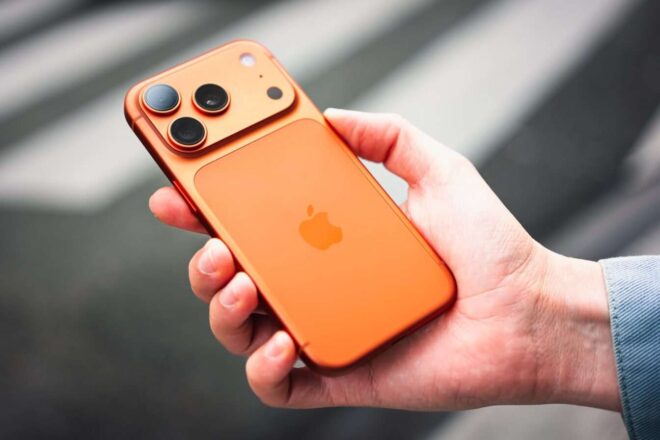
Apple / PR-ADN
As anticipation builds for the iPhone 17, questions are emerging about the balance between advanced screen protection and potential compromises in display clarity. Consumers and experts alike are weighing the benefits of durability against possible impacts on user experience.
TL;DR
- Screen protectors may reduce iPhone 17 display quality.
- New anti-reflective Ceramic Shield 2 is highly sensitive.
- Choosing protection means weighing clarity against durability.
New Protections, New Dilemmas for iPhone 17 Owners
The debut of the iPhone 17 line naturally brings a fresh wave of advice from experts and enthusiasts eager to help users shield their shiny devices. For many, the reflex is simple: invest in a case and a screen protector—old habits die hard. Yet this year, recent findings from the accessory manufacturer Astropad have complicated matters, casting doubt on the wisdom of always reaching for that protective film.
Ceramic Shield 2: A Double-Edged Innovation
At the heart of the issue lies the advanced display technology embedded in the latest iPhones. The Ceramic Shield 2, featuring an upgraded anti-reflective (AR) coating, promises exceptional clarity even under harsh sunlight. This sophisticated surface treatment relies on “destructive interference,” achieved through meticulously layered, ultra-thin coatings designed to cancel out reflected light. It’s a technical marvel—but also a delicate one.
The Unintended Consequences of Screen Protectors
Introducing a conventional screen protector can disrupt this fragile optical balance. The AR layer’s effectiveness depends on three key factors:
- A precise thickness for each layer involved,
- An exact refractive index tailored for each material,
- Most crucially: the presence of air above the coating itself.
By adhering a standard protector onto the glass, owners inadvertently eliminate that essential air gap. Test results reveal that this change measurably undermines the AR performance—the very benefit that makes reading your phone outdoors so comfortable.
Making an Informed Choice
So where does that leave users? There’s no one-size-fits-all answer. Some owners of new models like the iPhone 17 Pro or Pro Max might accept slightly diminished durability to preserve their device’s vivid visual experience. Others opt for more expensive protectors with built-in AR layers, though these often feel different to the touch and can cost considerably more. Cases with flaps—covering only when necessary—provide another alternative without interfering with the screen’s optical qualities.
Ultimately, as hardware evolves and solutions become more sophisticated (and sometimes fragile), consumers are reminded that every advance brings its own set of trade-offs. Perhaps, before defaulting to traditional habits, it’s time to reassess what protection really means for our increasingly complex devices—and how best to strike that elusive balance between robustness and unrivaled clarity.