Avian Flu 2024: Pandemic Threat or Just a Health Warning?
ADN
Amid growing global concern, recent data on avian influenza highlight ongoing debate among experts about the virus’s potential to spark a pandemic. Current findings shed light on both the level of risk and the adequacy of existing surveillance measures.
TL;DR
- H5N1 avian flu infects birds, livestock, and some humans.
- No sustained human-to-human transmission detected to date.
- Vigilance and vaccine preparedness keep pandemic risk contained.
Global Spread and Recent Human Cases
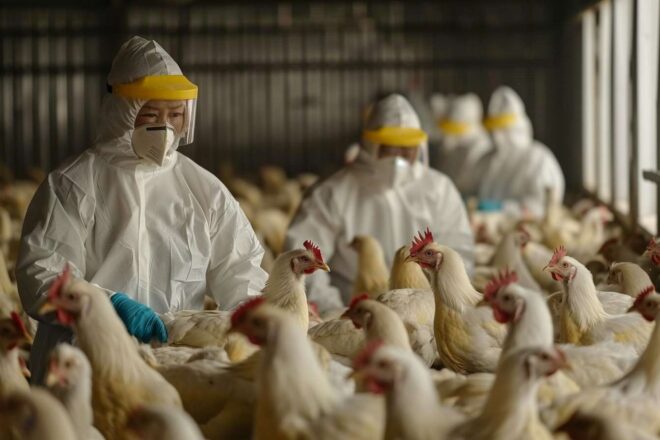
Since the beginning of 2024, the highly pathogenic H5N1 avian influenza virus has been spreading extensively among wild bird populations. This surge has also affected poultry farms and dairy herds, particularly in the United States. The fallout: by late 2025, the U.S. reported 71 confirmed human cases, mostly among workers handling infected animals or contaminated equipment. Most of these patients experienced mild symptoms—such as conjunctivitis, cough, or fatigue—and responded well to treatment with oseltamivir.
Globally, figures from the World Health Organization (WHO) trace nearly a thousand cases since 2003 across 25 countries, resulting in a troubling mortality rate: approximately 48% of those infected have died. Certain regions remain hotbeds for transmission; for instance, Cambodia saw eleven new cases early this year after individuals handled their own domestic chickens. In the U.S., authorities recently reported a first death linked to a closely related strain, H5N5, but crucially, no subsequent human transmissions followed.
Routes of Infection and Limited Human Risk
How does this virus jump to people? Almost all infections have followed direct contact with sick birds or cattle—during slaughtering or milking operations—especially without adequate protective gear. Importantly, eating properly cooked poultry or eggs poses no threat because temperatures above 74°C kill the virus. However, consuming raw milk from infected herds is a significant risk, which has triggered warnings in several U.S. states.
Despite these concerns, epidemiologists have found no convincing signs of lasting human-to-human spread—not even among family members or farm workers sharing close quarters. Studies using ferrets (the gold standard model for respiratory infection) demonstrate that airborne transmission remains exceptionally rare. On the molecular level, current analyses show the virus still strongly favors avian cells over human ones.
Pandemic Barriers and Preparedness Measures
For H5N1 to spark a true pandemic, three hurdles must be cleared: rapid adaptation to humans, effective immune evasion, and robust person-to-person transmission. According to the Centers for Disease Control and Prevention (CDC), H5N1 is adept at infecting animals but remains deficient in its ability to spread among people or cause severe disease in them.
Several factors explain why public health authorities remain cautiously optimistic:
- Adequate stockpiles of tailored vaccines are maintained in Europe and the U.S.
- Diversification of vaccine platforms—including mRNA technology—provides flexibility against mutations.
- Quick-response strategies are in place to adapt formulations as new variants emerge.
Alongside these collective defenses are daily habits: strict hygiene after animal contact, thorough cooking of food products, and diligent use of personal protective equipment on farms.
The Road Ahead: Cautious Optimism
While experts stress that constant vigilance is essential as the virus evolves, there is cautious relief that science and swift action have so far contained outbreaks at their source—a marked contrast with the trajectory seen during the COVID-19 crisis.