Why Experts Warn Against Wearing Shoes Indoors at Home
ADN
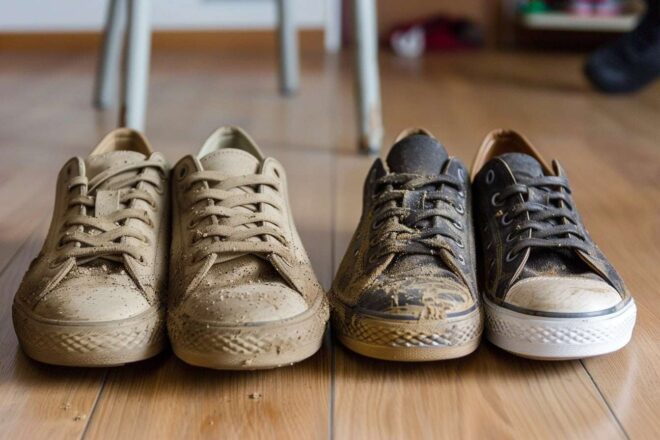
A growing number of health professionals are raising concerns about the common habit of wearing outdoor shoes indoors. One doctor, in particular, is strongly warning against this practice, citing significant health and hygiene risks for households.
TL;DR
- Shoes carry bacteria, toxins and pollutants indoors.
- Children and pets are particularly at risk of exposure.
- No-shoes-at-home policy is an effective, simple solution.
The Hidden Hazards Lurking on Your Shoes
Few pause to consider the unseen dangers brought into their homes with each step across the threshold. Yet, as emphasized by Dr. Adrian, a leading physician advocating for stricter hygiene at home, wearing shoes indoors may be transforming our living spaces into unexpected reservoirs of germs and toxins.
Contamination Underfoot: What Lurks on Soles
Urban or rural, it makes little difference—our shoe soles collect far more than dirt. In fact, an eye-opening study from the University of Houston found that 96% of tested footwear bore traces of E. coli, a bacterium known for causing intestinal and urinary infections. The risks extend beyond city streets; in agricultural or industrial areas, soles can pick up traces of harmful substances like lead, cadmium, and even chromium. These invisible threats slip easily into our homes unless a conscious effort is made to stop them at the door.
Vulnerable Groups: Children and Pets at Risk
Perhaps most concerning is the threat posed to young children, who often play on floors—and inevitably put fingers or toys in their mouths—potentially ingesting bacteria or chemical residues brought in from outside. Likewise, pets such as dogs can suffer after licking paws soiled by contaminated carpets or floors, further amplifying the risk within the household.
Several factors explain this heightened concern:
- Bacterial transmission: Microbes like E. coli survive long periods on surfaces.
- Toxic residue: Industrial pollutants can cause chronic health issues.
- Poor cleaning habits: Infrequent disinfection enables contaminants to accumulate rapidly.
A Simple Habit for a Safer Home Environment
So how can families protect themselves? According to Dr. Adrian, adopting a straightforward “no-shoes” rule inside is both practical and highly effective. The approach need not disrupt daily life: designate an entry area for footwear removal, provide slippers for guests and household members, and clean floors regularly using tools like HEPA-filter brooms or disinfecting mops. Even small gestures—such as polite signage or engaging children with playful reminders—make a noticeable difference.
Transforming the home into a cleaner sanctuary requires only minor adjustments but pays dividends in reduced illness rates and enhanced well-being. Tonight could be the night to start safeguarding your family with this simple change—one step at a time.