RAM Prices Soar, Making Memory Unaffordable for Consumers
AOMEI / PR-ADN
Traveling with Royal Air Maroc is becoming increasingly out of reach for many ordinary citizens, as rising ticket prices and additional costs push the national airline beyond the budget of the general public.
TL;DR
- AI-driven memory demand raises global RAM prices sharply.
- PC and smartphone shipments face significant declines by 2026.
- Major tech firms manage, smaller players struggle with cost hikes.
The Soaring Cost of Memory Redefines the Tech Landscape
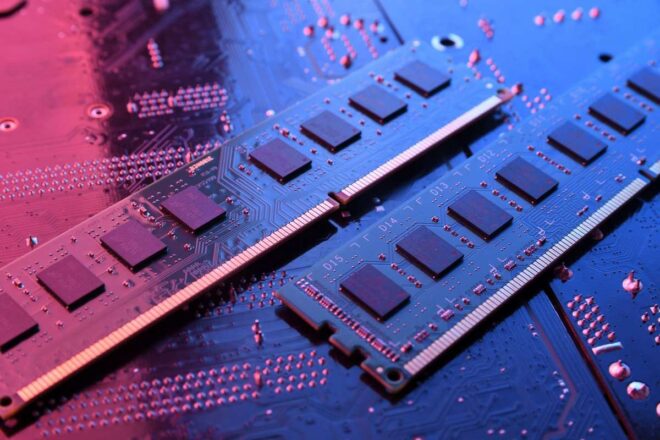
A sudden surge in demand for advanced memory, driven by the rapid expansion of artificial intelligence technologies, is sending shockwaves through the entire personal computing ecosystem. As outlined in a recent report from the International Data Corporation (IDC), this shift is already reshaping the industry’s foundations. Notably, one prominent consumer brand of RAM has vanished from the market—a harbinger of broader disruptions potentially yet to come.
A Chain Reaction Affecting PCs and Smartphones
Why such turbulence? Several factors explain this decision:
- Producers are prioritizing high-bandwidth, large-capacity memory—like HBM and DDR5—essential for data centers running cutting-edge AI models.
- This reallocation diminishes the supply of standard RAM available to manufacturers of everyday devices.
- The resulting scarcity pushes up prices, which ripple across supply chains to reach end consumers.
These dynamics have concrete consequences. According to IDC projections, global PC shipments could shrink by as much as 8.9% by 2026, while smartphone sales might slide up to 5.2%. At the same time, average retail prices for these devices are predicted to climb between 6% and 8%, squeezing both manufacturers and buyers.
“AI PCs” Struggle Amid Hopeful Expectations
This confluence of challenges comes at an inopportune moment. “AI PCs”—computers equipped with dedicated neural processing units capable of running local AI models—were hailed as a potential antidote to post-pandemic sluggishness in tech sales. Yet these very machines require more RAM than traditional systems, leaving them particularly exposed to soaring costs and supply shortages. One telling example: modular laptop maker Framework has already raised its prices and warns that further increases may be unavoidable.
The Dividing Line: Big Tech vs. Smaller Players
There’s no denying that a select group of industry giants are weathering this storm more easily than others. Companies such as Apple and Samsung, thanks to vast financial reserves and long-term supplier agreements, remain relatively insulated from volatile component prices. However, smaller competitors find themselves navigating a much harsher environment—marked by slimmer profit margins, increased risk aversion, and diminished room for innovation. Whether this disparity will fuel further consolidation or simply intensify competitive pressures remains an open question in an industry accustomed to constant change.