Francis Ford Coppola’s Career Challenges Before Youth Without Youth
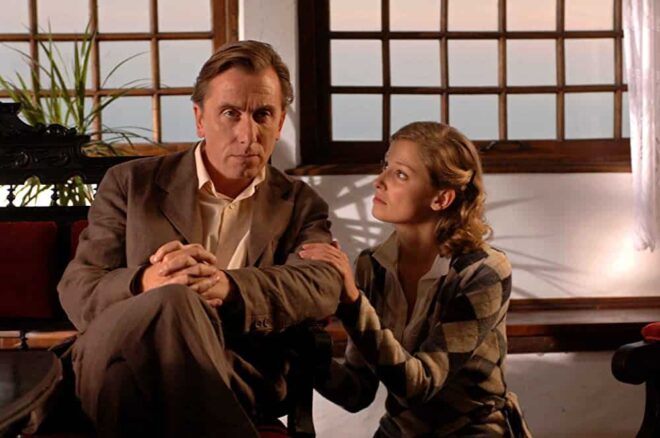
American Zoetrope / PR-ADN
For nearly ten years preceding the release of Youth Without Youth, acclaimed filmmaker Francis Ford Coppola experienced a period of creative silence, stepping away from directing major films and remaining largely absent from the cinematic spotlight.
TL;DR
- Coppola’s post-Dracula films received mixed critical responses.
- Youth Without Youth marked an ambitious but divisive return in 2007.
- The film served as a personal creative experiment for Coppola.
A Director’s Long Hiatus After Cinematic Glory
Following the triumphant release of his visually stunning Bram Stoker’s Dracula in 1992, Francis Ford Coppola seemed to vanish from the forefront of international cinema. His absence was notable, and when he reemerged several years later with the sentimental drama Jack, starring Robin Williams, both audiences and critics recoiled. The film was quickly dismissed as minor work, with some even suggesting it was little more than a paycheck project—far beneath the reputation of its legendary director.
An Unexpected Turn: The Rainmaker and Another Withdrawal
Yet just a year later, Coppola upended expectations with his adaptation of The Rainmaker, based on the bestselling novel by John Grisham. Transforming a conventional legal narrative into a compelling human story, he drew stellar performances from an ensemble cast including Danny DeVito, Mickey Rourke, and a then-rising star, Matt Damon. Damon’s portrayal of an idealistic young attorney effectively launched his film career. Despite this critical success, talk about the elusive project “Megalopolis” began swirling—and then, as suddenly as before, Coppola retreated from filmmaking for nearly a decade.
Youth Without Youth: A Risky Artistic Experiment
The year 2007 saw Coppola return with the ambitious yet polarizing Youth Without Youth. Adapted from a complex novella by Romanian scholar Mircea Eliade, the film follows Dominic Matai (played by Tim Roth), an aging academic who is literally transformed after being struck by lightning. This event endows him with psychic abilities coveted by Nazis during World War II. However, despite flashes of brilliance—including a fleeting appearance by Matt Damon as an American journalist—the narrative often becomes bogged down in philosophical abstractions and meandering pacing.
Several factors explain why this film divided audiences:
- An enigmatic and challenging storyline rooted in metaphysics;
- Pacing that verged on meditative, at times losing momentum;
- A stylistic departure from Coppola’s earlier mainstream works.
A Personal Reawakening Amid Creative Doubts
Reflecting on this phase during a 2024 interview with Rolling Stone, Coppola described Youth Without Youth not just as an artistic risk but as a “test”—an experiment born out of personal necessity. Though admittedly demanding and occasionally bewildering for viewers, the film marked an intimate turning point for the director—long considered adrift creatively in the early 2000s. Ultimately, while its reception may have been mixed, Coppola’s willingness to confront his own limits allowed him to rediscover his passion for filmmaking—a testament to the value of creative reinvention.