Luc Besson’s New Dracula Movie: A Romantic Epic Reimagined
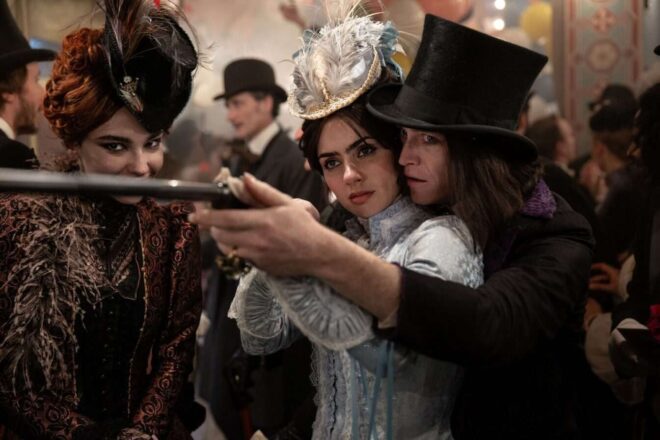
EuropaCorp / PR-ADN
Renowned filmmaker Luc Besson embarks on a bold new project, reimagining the Dracula legend through the lens of a sweeping love story, promising audiences an innovative take on the classic vampire narrative.
TL;DR
- Besson’s Dracula centers on eternal love, not horror.
- Iconic characters and themes are radically reimagined.
- Some fans worry about lost complexity and nuance.
A Romantic Turn for Dracula
The enduring allure of the vampire is once again set for reinvention. With each new era, artists return to the myth, questioning how to breathe fresh life into a narrative that has captivated audiences for more than a century. Now, acclaimed director Luc Besson—best known for visually bold films like The Fifth Element—prepares to unveil his own vision of Bram Stoker’s Dracula. Yet, rather than retread the well-worn path of horror, Besson opts to chart a course through romance, presenting immortality as a testament to unyielding love instead of a curse.
A Bold Departure from Tradition
Set for release on February 6, 2026, this adaptation upends many established conventions. In a striking move, the figure of Abraham Van Helsing—the original’s renowned scientist and vampire hunter—will be conspicuously absent. Instead, Besson introduces an entirely new character: Priest, portrayed by Christoph Waltz. During a conversation with SFX Magazine, the filmmaker shared his desire to invert the conventional roles of religion and science: “Religion should propose; science should know. Here, the priest knows all, while science falters.” Such choices underscore Besson’s intent to shift long-standing dynamics.
Sweeping Changes in Characters and Themes
Further distinguishing his vision from tradition, Besson eliminates the notorious “Brides of Dracula”—once potent symbols of feminine rebellion during the Victorian era. The decision reflects his wish to maintain singular focus on the relationship between Dracula (played by Caleb Landry Jones) and Elisabeta (Zoë Bleu). This narrative streamlining results in several notable liberties:
- The romance between Dracula and Elisabeta serves as the story’s sole engine;
- The ambiguous allure historically tied to vampirism—and embodied by Dracula’s wives—is entirely erased;
- The classic tension between scientific skepticism and religious faith is significantly downplayed.
Navigating Legacy and Expectation
Of course, any new take on Dracula inevitably draws comparison with previous incarnations—not least with Francis Ford Coppola’s revered film starring Gary Oldman. While Besson nods toward history by referencing Prince Vladimir’s tragic fate against Ottoman invaders at the story’s outset, he ultimately embraces a radical approach: unwavering romantic fidelity replaces much of Stoker’s original complexity. For some observers, this comes at the cost of thematic richness; where Stoker pitted reason against superstition in nuanced ways, Besson prefers stark contrasts.
As anticipation builds toward its release under the banner of EuropaCorp, one thing remains certain: even after generations of retelling, Dracula continues to spark debate—and daring artistic choices.