How to Soften Butter Quickly: Easy and Fast Methods
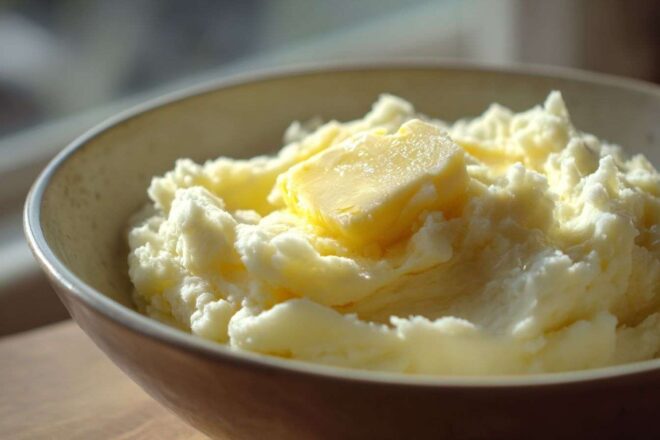
Une généreuse cuillerée de beurre crémeux posée sur un bol de purée de pommes de terre éclatant de vapeur.
When a recipe calls for softened butter, waiting can be frustrating. Thankfully, there’s an easy and quick method to achieve perfectly softened butter in moments, saving time for busy cooks who need results without delay.
TL;DR
- Warm glass technique softens butter perfectly and quickly.
- Method avoids melting or uneven texture, unlike microwaves.
- Also works for thick honey and other cold-sensitive foods.
The Role of Softened Butter in Baking
In the world of pastry, achieving the right texture often stands between success and a kitchen misstep. Many bakers—amateur and professional alike—have faced the familiar frustration: a slab of butter straight from the fridge when what’s required is that elusive, soft “pomade” consistency. If too hard, butter clumps stubbornly; if melted, it can ruin the delicate structure of cake batters or sauces. The call for “softened butter” appears in countless recipes, yet finding this balance can be tricky, especially when time is scarce.
A Simple Solution: The Warm Glass Trick
Yet there is a disarmingly simple answer. All it takes is a glass and hot water to transform the hard work of dealing with cold butter into an easy step. Here’s how it works: fill a sturdy glass with hot water to heat it through, then pour out the water and invert the glass over your chunk of butter. Within sixty seconds, gentle heat envelops the butter, softening it evenly without melting. This method delivers that coveted spreadable texture in moments—no microwave required.
Why This Method Outperforms Traditional Approaches
What sets this approach apart from conventional methods? Unlike microwaves—which tend to heat unevenly and may leave you with an unexpected pool of liquid fat—the warm glass method offers precise control. Several factors explain this decision:
- Consistent results: Butter softens uniformly, without risk of liquefaction.
- Effortless monitoring: No need for constant supervision or stirring.
- Versatility: Equally effective for crystallized honey or other ingredients prone to hardening in cold conditions.
An Everyday Culinary Advantage
Sometimes, it’s the smallest tweaks that elevate daily cooking routines. Adapting this warm-glass technique isn’t just about convenience—it’s about reclaiming control over ingredients like stubborn honey jars or chilled spreads. Over time, cooks may find themselves instinctively reaching for a glass instead of wrestling with awkward kitchen gadgets or anxiously eyeing a pan on the stove. While creative alternatives abound—from grating frozen butter to attempting rapid stovetop softening—few match this solution’s blend of speed and reliability.
Ultimately, behind such a modest trick lies a genuine asset: more comfort at the counter and better consistency in every recipe—all without sacrificing quality.