Apple Thrives Amid Global Semiconductor Chip Shortage Crisis
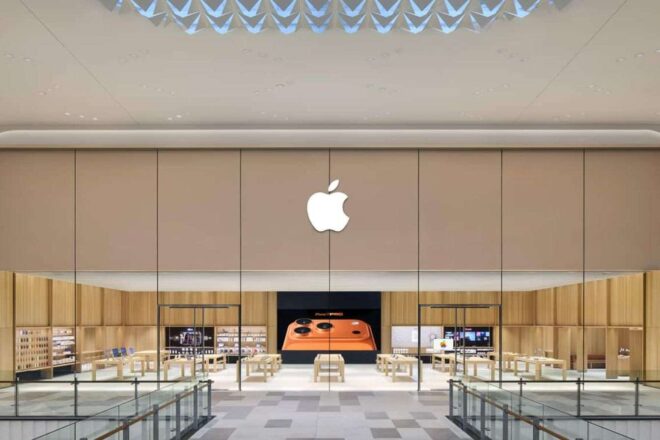
Apple / PR-ADN
Despite the ongoing global semiconductor shortage that has disrupted numerous industries, Apple continues to demonstrate remarkable financial resilience. The technology giant’s performance remains robust, reflecting its ability to navigate supply chain challenges more effectively than many competitors.
TL;DR
- Apple posts record profits despite global RAM shortage.
- Impending memory supply crisis threatens future product prices.
- Stockpiles provide short-term buffer, but uncertainty remains.
Strong Financial Results Defy Memory Crisis
Despite a persistent global RAM shortage, Apple has delivered surprisingly robust results. The latest earnings report revealed a leap in net profit from $36 billion to $42 billion year-on-year. This growth was primarily fueled by exceptional sales of the iPhone and iPad lines, as well as a 14% surge in revenue from services like the App Store and Apple Music. The successful launches of the much-anticipated iPhone 17, iPhone 17 Pro, and iPad Pro M5 played a significant role in this performance.
The Escalating Threat of RAM Shortage
Yet, beneath these record-breaking numbers, there are growing concerns. Since late 2025, the global supply of memory modules has been tightening. Although CEO Tim Cook characterizes the financial impact so far as “minimal,” certain areas have already felt the strain: Mac sales dipped by 6.7%, while connected accessories declined by 2.2%. In some tech stores, managers are reportedly removing RAM sticks from display computers to prevent theft, illustrating just how tense the market has become.
Potential Price Hikes on New Devices?
Looking ahead, there is mounting uncertainty for the wider Apple ecosystem. Rising costs for both RAM and SSDs are expected to exert greater pressure on financial results as early as next quarter. Industry watchers now predict noticeable price increases on upcoming flagship products—including the forthcoming MacBook Air M5 and the next-generation iPhone 18. One analyst active on X has warned that current supply agreements between Apple and its main suppliers—Samsung, SK Hynix, among others—are ending soon; producers are preparing substantial price hikes, potentially doubling component costs from January onwards.
A Shifting Landscape for Apple Customers
Several factors explain this uncertainty:
- Lingering delivery delays for high-end models such as the MacBook Pro.
- Persistent rumors of an OLED shift across devices.
- No clear indication yet regarding final retail price impacts.
While Mr. Cook assures stakeholders that “multiple options” are under review to manage the crisis, industry insiders say that existing stockpiles may shield Apple temporarily—Intel estimates these reserves could last nine to twelve months. Nevertheless, should disruptions persist until 2028 as forecasted by Micron, customers might well face steeper prices for new Apple products in coming months. The true cost of this memory crunch may only just be emerging.