How to Make Perfect Beurre Noisette for Flavorful Recipes
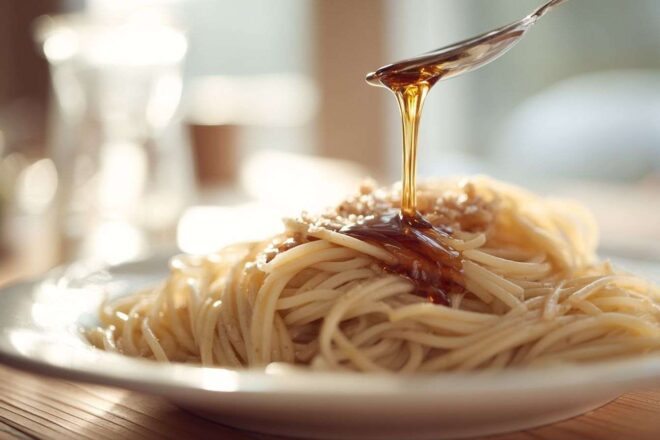
Un liquide brun riche coulant sur des pâtes fraîches, sublimant le plat d'un arôme de noisette.
Mastering the art of beurre noisette can transform everyday dishes with its rich, nutty flavor. Knowing precisely when and how to prepare this browned butter is essential for enhancing both sweet and savory recipes in any kitchen.
TL;DR
- Beurre noisette adds deep flavor to sweet and savory dishes.
- Watch the heat: overcooking turns it bitter quickly.
- Versatile and easy to store for instant gourmet results.
A Culinary Secret Hiding in Plain Sight
Many home cooks may see beurre noisette—that aromatic, golden-brown butter—as just another ingredient. Yet, for seasoned chefs and passionate amateurs alike, this subtly caramelized butter is a quiet game-changer. Whether drizzled over fresh pasta or whisked into a delicate cake batter, its ability to transform both everyday and festive recipes is remarkable.
The Science of Flavor: Mastering Brown Butter
Unlocking the nutty depth of beurre noisette depends on understanding its transformation under heat. Regular butter is about 80% fat and 18% milk solids and water. As it melts gently—ideally at around 120 °C—the water evaporates, clarifying the mixture. The magic happens when the milk proteins (notably casein) sink, browning at the bottom of the pan to release those toasted, hazelnut aromas that make brown butter so distinctive. Still, precision matters; a moment’s distraction or excessive heat will tip that complex flavor into outright bitterness. Professional cooks often recommend working in small batches and maintaining vigilant attention during cooking.
From Patisserie to Savory Dishes: Endless Possibilities
What truly distinguishes this ingredient is its versatility across culinary genres. In desserts, beurre noisette infuses classics such as madeleines, financiers, tart shells or crêpes with an alluring caramelized note—no need to alter beloved recipes beyond swapping in this deeply flavored butter. On the savory side, chefs deploy it as a sauce for white fish or roasted vegetables, fold it into creamy risottos or ravioli fillings, even substitute it for oil in sophisticated vinaigrettes or pour it warm over carpaccio for a hint of gentle cooking.
Several factors explain why brown butter deserves a permanent place in your kitchen:
- Spoon over fish or veggies just before serving for instant aroma.
- Use instead of melted butter in cakes for richer taste.
- Add depth to homemade sauces or salad dressings with ease.
Storing and Serving: Practical Tips
A final word of caution: avoid exposing brown butter to high heat for too long—the delicate notes that make it special can quickly turn harshly bitter. For clarity in sauces, strain out the browned solids; if you’re baking, leave them in to intensify flavor. Conveniently, once cooled and stored in an airtight container, beurre noisette lasts up to two weeks refrigerated or months in the freezer—ready to elevate any dish at a moment’s notice. In short: a simple technique that promises exceptional results every time inspiration strikes.