Apple TV’s Silo: Power, Deception, and Dystopian Drama
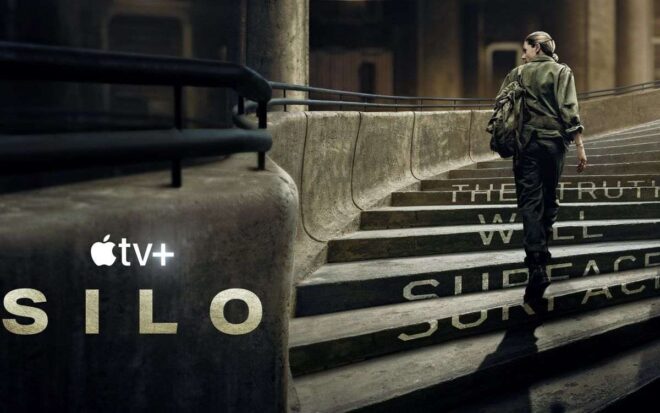
Apple / PR-ADN
Apple TV delves into themes of authority and deception with Silo, a gripping series that examines how secrets and control shape the lives of a community living in a tightly regulated underground world.
TL;DR
- “Silo” delivers tense, immersive dystopian storytelling on Apple TV.
- Adaptation deepens characters and sustains suspense differently from novels.
- Series explores secrets, control, and collective deception in society.
Adapting Dystopia: “Silo” Reshapes the Post-Apocalypse
In the growing landscape of streaming science fiction, Apple TV’s Silo is quietly asserting itself as a standout. Loosely based on the novels by Hugh Howey, this adaptation transports viewers to a claustrophobic, subterranean world—one with 144 levels tightly packed beneath a ruined surface. The fate of humanity plays out far underground, where secrecy and suspicion feel almost as tangible as the concrete walls themselves.
Narrative Gambles and Ingenious Choices
Crafting this adaptation was no routine process. Showrunner Graham Yost and his team wrestled with how much of the outside world’s truth should be revealed—and when. A pivotal idea came from Max Aronson, part of the creative force at Apple: what if the real nature of the outside remained hidden until the season’s conclusion? Thus, rather than quickly exposing external dangers (as in the books through Holston’s perspective), suspense unspools gradually with Juliette—played by Rebecca Ferguson—as our guide.
The Human Core: Character Complexity Fuels Tension
Far from simply translating prose to screen, the adaptation strives to add fresh layers to its cast. Instead of swiftly appointing Juliette as sheriff after her engineering stint—as depicted in print—the show dedicates time to developing her evolution. This narrative patience allows viewers to connect with her journey while delving into the inner workings of silo society. Her search for answers about a vanished partner emerges as an emotional linchpin.
Several factors explain why critics have responded enthusiastically:
- Immersive production design: every detail renders the silo unsettlingly real.
- Casting excellence: standouts include Steve Zahn’s notable turn in season two.
- Tightly wound intrigue: each episode intensifies a sense of paranoia regarding state secrets.
Beneath Suspense: Power, Deception, and Social Control
Yet it’s not just atmosphere or plot that sets Silo apart. The series persistently asks: what motivates such rigorous control over knowledge? The existence of parallel silos and brutal punishments for dissent serve as dark commentaries on manipulation and authoritarian rule. Rather than focusing solely on dangers outside, much of the tension arises from questioning why so much must remain concealed—a creative decision that leaves viewers both unsettled and hungry for answers.
Ultimately, by elevating its source material while keeping audiences gripped episode after episode, Silo succeeds where many adaptations falter—balancing thought-provoking themes with edge-of-your-seat storytelling.