Is Cooking with Aluminum Safe? Doctor’s Tips for Use and Storage
ADN
A medical expert highlights essential safety measures for using aluminium in cooking and food storage. Proper precautions can help reduce potential health risks, ensuring that everyday culinary practices remain both effective and safe for consumers.
TL;DR
- Aluminum use in cooking can transfer metals to food.
- Acidic foods increase health risks with aluminum contact.
- Safer alternatives include glass, steel, or ceramic containers.
Aluminum in Everyday Kitchens: A Reassessment
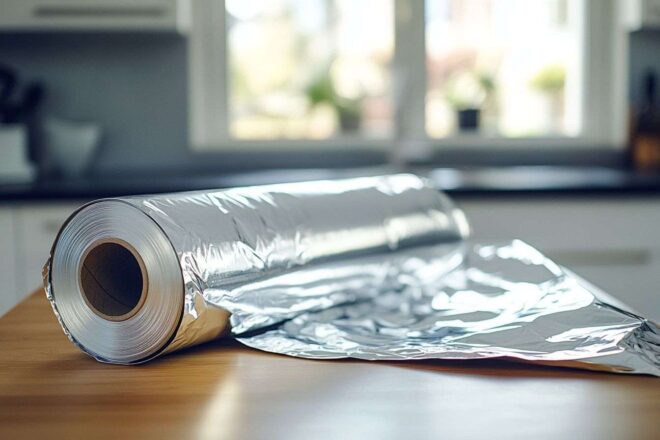
For many home cooks, reaching for a roll of shiny foil to wrap up leftovers or prep a meal is almost second nature. The convenience, lightness, and durability of aluminum products have made them a staple in modern kitchens. Yet, fresh scrutiny from recent scientific studies suggests that it may be time to rethink these habits.
Scientific Studies Raise Concerns
New research published in December 2024 by the journal Food Bioscience has cast doubt on the safety of using aluminum foil, especially during cooking. In their experiments, researchers discovered that when fish—specifically Clarias gariepinus—was cooked at high temperatures while wrapped in foil, there was significant migration of metals from the foil into the food. The extent of this transfer depended on how much surface area of foil came into contact with the food, and was evidenced by noticeable weight loss in the foil post-cooking. Other studies have echoed these findings, revealing that the concentration of aluminum in various foods (from poultry to cheese) could skyrocket—sometimes by as much as 40 times—after being cooked or stored in aluminum.
The Health Risks: When Food and Metal React
Several factors explain these heightened risks:
- Acidic ingredients such as tomato, lemon, or vinegar react strongly with aluminum.
- Salty and spicy dishes also promote metal migration.
- Thin or damaged containers, often used multiple times or bought cheaply, are especially prone to leaching metals.
According to Dr. Chhaya Vaja, an internal medicine specialist at Apollo Spectra Hospital Mumbai, long-term exposure can pose threats to bone health, kidneys, and even the nervous system—particularly for individuals whose bodies eliminate aluminum less efficiently.
Safer Storage: Practical Steps for Home Cooks
Given these concerns, experts recommend several practical measures. It’s wise to avoid wrapping or baking acidic, salty, or spicy foods directly in aluminum. Instead, switching to glass, stainless steel, or ceramic containers can provide peace of mind without compromising convenience. If foil use is unavoidable—for example during grilling—it’s best to place parchment paper between food and metal.
Reevaluating our culinary routines may seem daunting at first glance. However, making informed choices about everyday materials like aluminum foil enables us to safeguard both flavor and well-being—small changes that add up where it matters most: our health.