FBI’s Purchase of Data Sparks Privacy Concerns
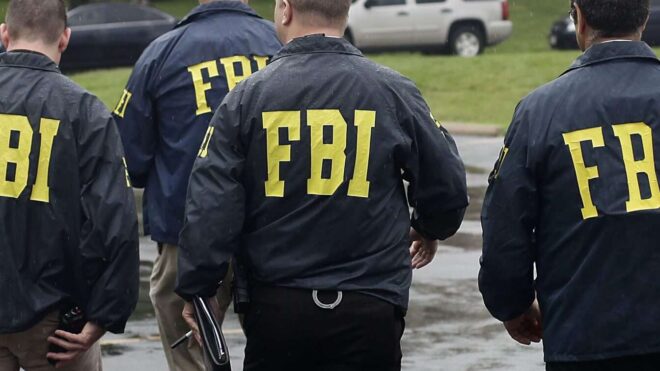
FBI / PR-ADN
Concerns are mounting over the FBI’s recent acquisition of vast data sets from commercial sources, prompting debate about privacy, oversight, and the extent of government surveillance in the digital age.
TL;DR
- FBI buys commercial data to track individuals’ locations.
- Legal and ethical debate grows amid tech advances.
- Calls intensify for stricter regulation of personal data use.
A Shifting Landscape for Data Acquisition
As the digital ecosystem expands, so does the scrutiny over how agencies like the FBI access and utilize Americans’ sensitive information. During a recent Senate hearing, agency director Kash Patel openly confirmed that the bureau routinely purchases commercially available datasets—datasets that can reveal an individual’s movements and whereabouts. According to Patel, this practice operates “in line with the Constitution and under the Electronic Communications Privacy Act,” and has proved invaluable for intelligence gathering.
Yet this approach is increasingly controversial. The Supreme Court’s 2018 ruling in Carpenter v United States mandates a warrant before law enforcement may retrieve such geolocation data from telecom providers, raising questions about whether simply buying the same information circumvents established legal protections.
The Legal and Ethical Crossroads
Several lawmakers are alarmed by what they see as a loophole in existing regulations. Chief among them, Senator Ron Wyden, denounced these tactics during an Intelligence Committee session: acquiring location data without a court order, he argued, “represents a troubling evasion of the Fourth Amendment.” The proliferation of artificial intelligence only sharpens these concerns—AI can process enormous troves of private data at unprecedented speed, making potential abuses easier than ever.
The broader issue? A number of officials are urging comprehensive reform to address how state agencies access citizens’ personal data. The rapid evolution of technology adds new urgency to these debates.
Beneath Legal Surface: Questions Multiply
Why should authorities pursue time-consuming court procedures when much of this information is readily sold on the open market? This grey area allows federal agencies to expand their reach with less oversight. Criticism isn’t limited to the FBI: both the Department of Homeland Security and even military contractors have faced lawsuits or scrutiny for alleged overreach, such as monitoring protesters or seeking mass-surveillance capabilities from tech firms like Antrhopic. These episodes expose a pattern of testing—and sometimes stretching—the boundaries of what’s legal or ethical.
The Need for Democratic Controls
Recent controversies surrounding Kash Patel, including allegations of misusing federal resources for personal benefit or questionable security assignments at public events, further fuel demands for change. Lawmakers point out that effective democratic oversight must now address three core pillars:
- Personal data protection
- Mandatory judicial review processes
- Tighter ethical guidelines
Rebuilding public trust remains a critical challenge as institutions adapt to relentless technological innovation—an endeavor that is becoming ever more pressing with each new revelation.