Common Kitchen Seed Recommended by Harvard Doctor for Fat Digestion
ADN
A Harvard physician reports that a common kitchen seed may play an important role in aiding fat digestion. This revelation could offer a simple dietary adjustment for those seeking improved digestive health using ingredients already found at home.
TL;DR
- Sesame seeds aid digestion, especially after fatty meals.
- Packed with nutrients like calcium and magnesium.
- Easy to add to daily meals for digestive relief.
A Traditional Remedy Gets a Modern Nod
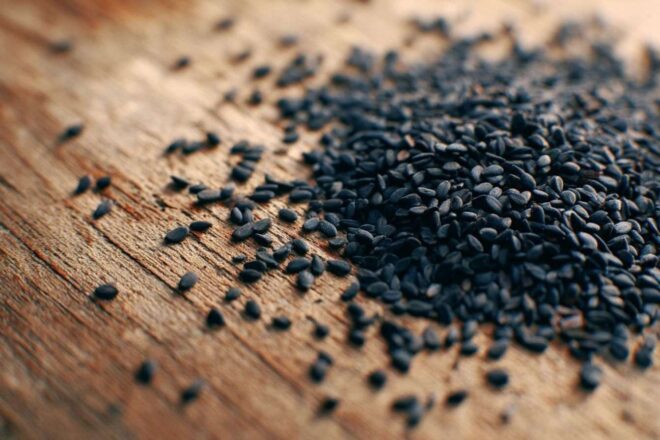
For many, that sluggish discomfort following a rich meal is all too familiar—a heaviness in the stomach that lingers, dampening both mood and energy. Yet, there may be an effective and time-tested solution hiding in plain sight within your kitchen cupboard: sesame seeds. According to Dr. Saurabh Sethi, a gastroenterologist trained at Harvard and Stanford, these often-overlooked seeds could provide natural relief without the need for expensive supplements or artificial treatments.
The Science Behind Sesame’s Digestive Support
What gives sesame seeds their reputation as a digestive ally? Their secret lies in stimulating bile production—an essential process for breaking down dietary fats efficiently. When bile flow is sluggish or insufficient, fats remain in the stomach longer, resulting in that familiar bloated feeling. As Dr. Sethi notes, “If you feel heavy and bloated after eating fatty foods, this ancient remedy may help your body manage lipids more effectively.”
Nutritional Value Beyond Digestion
However, their benefits don’t end with digestion. A modest serving of sesame seeds—about two tablespoons—delivers nearly 100 calories along with significant amounts of calcium, magnesium, copper, manganese, and dietary fiber. Recent research highlights another key compound: sesamin. This component has shown potential to lower blood pressure and may even contribute to reducing cardiovascular risk.
Simplifying Healthy Eating Habits
Integrating sesame seeds into everyday meals couldn’t be easier. Several factors explain their culinary versatility:
- Create a creamy tahini by blending them into a paste.
- Add crunch by sprinkling on salads or stir-fries.
- Pair with pita chips or mix into sautéed dishes for extra flavor.
Regularly incorporating these tiny powerhouses could make post-meal discomfort far less routine. While not a cure-all—no seed can undo repeated overindulgence—they offer a practical, natural boost to digestive well-being.
As always, anyone considering major dietary changes or managing health conditions should consult a medical professional before adopting new remedies.