Hidden Environmental Impact of Cannabis, Cocaine, and Ecstasy Pollution
ADN
The environmental impact of widely used drugs such as cannabis, cocaine, and ecstasy is often overlooked. Yet recent findings reveal that their production, use, and disposal contribute significantly to pollution, raising concerns among experts and authorities.
TL;DR
- Drug production causes massive but hidden environmental pollution.
- Indoor cannabis and synthetic drugs generate toxic waste, CO₂.
- Slow political response; clean-up costs are extremely high.
The Overlooked Environmental Cost of Illegal Drug Production
For years, debates on drugs have circled around public health and security, barely touching the far-reaching environmental damage. Only recently has the magnitude of this hidden crisis come into sharper focus: the environmental footprint left by the production and consumption of illicit substances is staggering.
Indoor Cannabis: Far From “Natural”
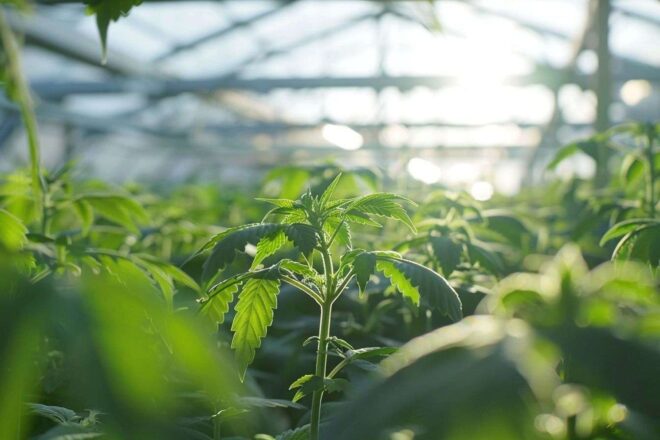
Many Europeans—especially younger generations—cling to an image of *cannabis* as a natural product. Yet, as Laura d’Arrigo, diplomatic advisor at the Mildeca, points out, the reality is very different. Indoor cultivation consumes enormous amounts of electricity for lighting, ventilation, and air conditioning. In the Netherlands alone, these operations use up about one billion kilowatt-hours each year—the same as all households in a city like Rotterdam. Maintaining optimal humidity requires thousands of liters of water as well.
Worse still, clandestine laboratories in Belgium and the Netherlands churn out synthetic drugs like *ecstasy* and *amphetamines*, discharging *acetone*, *sulfuric acid*, and heavy metals directly into nature or sewer systems. For every kilo of indoor cannabis flowers produced, between 2,300 and 5,200 kilograms of carbon dioxide are released into the atmosphere. Synthetic drug manufacturing can create up to 58 kilograms of toxic waste per kilo.
The Hidden Bill: Environmental and Economic Consequences
These destructive practices reach beyond ecosystems; they also corrode infrastructure. A striking incident occurred in Lanaken, Belgium, where a water treatment plant was disabled by a flood of chemicals from illegal amphetamine production. Two staff were injured, prompting authorities to install emergency sensors at several stations.
Several factors explain this decision:
- The average cost to clean up a contaminated site in Belgium stands at €33,372.
- Dutch sites cost an average €13,566 each to remediate.
- A single gram of cocaine sold in Paris or Berlin represents the destruction of four square meters of Latin American forest.
A Slow Political Awakening
A gradual shift is underway among policymakers. Courts are beginning to order traffickers to pay for cleanup—a recent Belgian case exceeded €100,000 in remediation costs alone. On a broader scale, European initiatives aim to encourage South American producers to switch from coca plants to fair-trade coffee—a less profitable but far more sustainable option.
According to d’Arrigo, awareness is finally building among Europeans regarding this ecological toll, although much remains to be done—particularly with younger people who may not realize just how environmentally costly drug consumption truly is. Ultimately, shining light on these hidden damages could help curb not only trafficking but also our collective complacency about its enduring impact on our planet.