Clint Eastwood’s Late-Blooming Hollywood Career Explained
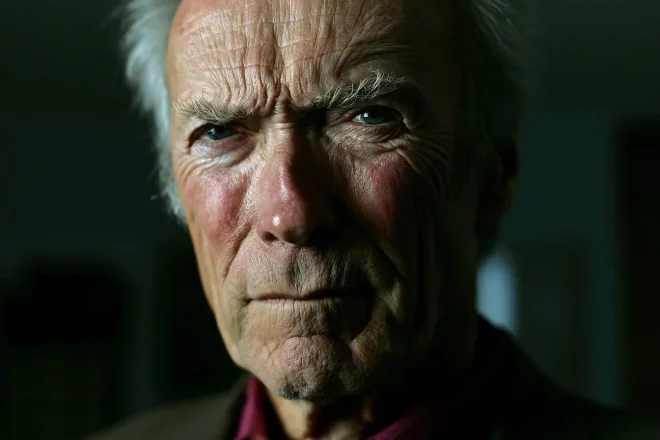
Clint Eastwood’s remarkable journey through Hollywood unfolded at a time when many of his own cinematic heroes had already faded from the limelight, shaping a career influenced by legends he admired but seldom encountered during their prime.
TL;DR
- Clint Eastwood reflects on missing Hollywood legends.
- A remarkable anecdote involves director Howard Hawks.
- He arrived as Hollywood’s golden age was ending.
The End of an Era in Hollywood
When Clint Eastwood first set foot in Hollywood, the final glimmers of its so-called golden age were beginning to fade. While his arrival coincided with a period of profound transition for the industry, it also meant that Eastwood narrowly missed the chance to work with several giants whose names had shaped film history.
Regrets and Missed Encounters
In candid reflections, Eastwood has spoken openly about three legendary figures he wishes he could have collaborated with. Despite his own remarkable rise from television to cinematic icon, he’s quick to admit that timing robbed him of encounters with some of the very architects of classic American cinema. Among those names, one stands out for the particularly unusual circumstances surrounding their almost-meeting: renowned filmmaker Howard Hawks.
The Howard Hawks Anecdote
Eastwood recounts an especially striking story involving Hawks—a figure synonymous with masterpieces such as “Rio Bravo” and “His Girl Friday.” According to Eastwood, an unexpected twist nearly led to a meeting between them, but fate intervened at the last moment. The missed opportunity became just another what-if among many in his storied career, though this one clearly left its mark.
The Legacy of Hollywood’s Golden Age
Several factors explain why Eastwood just missed these cinematic titans:
- The rapid evolution and modernization of studio systems.
- The retirement or passing of directors and actors from earlier decades.
- A generational shift, ushering in new voices and sensibilities.
This changing landscape forged both obstacles and opportunities for emerging talents like Eastwood. While his own contributions would eventually shape a new era—marked by films such as “Unforgiven” and “Million Dollar Baby”—he never lost sight of those who came before him.
There’s a sense of wistfulness as Eastwood looks back on this pivotal time. Yet, rather than bitterness, he seems to carry a quiet respect for the artistry and influence of those lost connections—a perspective that perhaps only decades in the industry can foster.