Rising SUV Sizes in Europe Increase Risks for Pedestrians
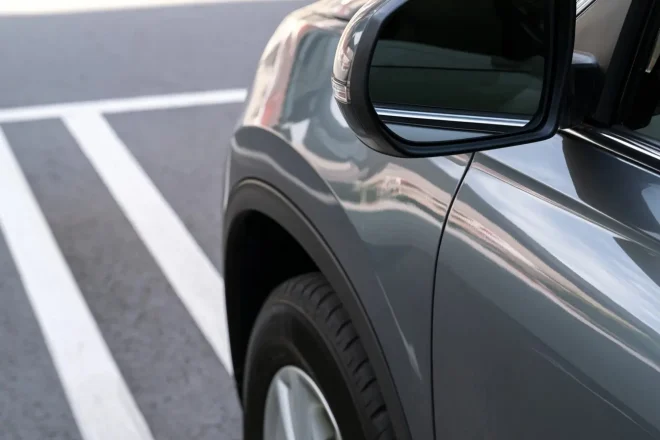
As European cities grow denser, the rise in larger vehicles on urban streets is fueling concerns for pedestrian safety. Experts and advocates are increasingly sounding the alarm about the heightened risks faced by those on foot.
TL;DR
- New cars in Europe are getting bigger.
- This trend affects parking, safety, and energy use.
- Transport & Environment study reveals accumulating impacts.
Bigger Cars: A Growing Trend in Europe
A recent report by the organization Transport & Environment has drawn attention to a striking development on European roads: new vehicles are becoming increasingly larger. While this phenomenon may not surprise regular city drivers, the implications of these upsized vehicles stretch far beyond aesthetics.
Challenging Urban Spaces
One of the most immediate consequences of the growth in vehicle size is its impact on urban life. Parking, already a daily headache for many, is becoming even more challenging as wider and longer models outgrow standard spaces. City planners now face mounting pressure to adapt public infrastructure to this evolving reality, an endeavor that comes with significant cost and logistical hurdles.
Impacts on Safety and Energy Consumption
Beyond the inconvenience at curbside, the report from Transport & Environment points to broader repercussions. The increasing dimensions of new cars raise concerns around road safety and energy use. Several factors explain this trend:
- Larger vehicles often weigh more, raising potential risks for other road users.
- More mass means higher energy demand, whether fuel or electricity.
- In collisions, bulkier cars can pose greater dangers for pedestrians and cyclists.
The interplay between these issues complicates efforts to reach climate targets and promote sustainable mobility. Notably, even as electric models become more prevalent, their escalating size may undercut anticipated environmental gains.
The Road Ahead for European Mobility
As manufacturers cater to consumer preferences for SUVs and similarly robust models, cities must grapple with both infrastructural adaptation and policy considerations. The findings of Transport & Environment‘s study suggest that unchecked growth in vehicle size risks intensifying existing challenges related to congestion, emissions, and road safety.
While some policymakers have begun discussing regulatory measures or incentives to favor smaller vehicles, no simple solution is in sight. Still, the data is clear: unless there’s a shift in direction—whether from regulators, automakers, or drivers themselves—the streets of Europe will continue to reflect this unmistakable trend toward larger cars and all its associated consequences.