Record Ocean Temperatures Expected to Surge Higher by 2026
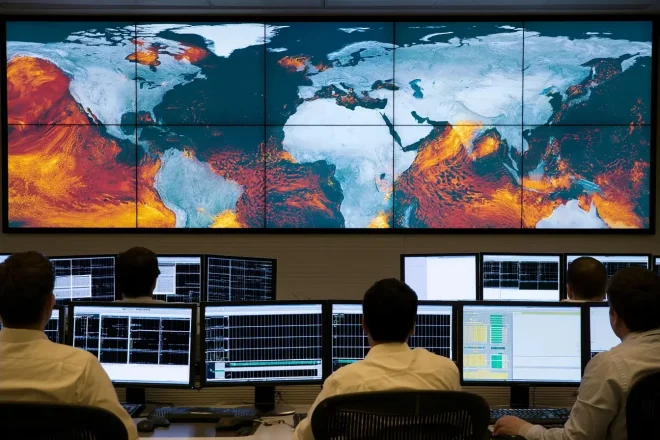
Ocean temperatures continue to rise, with recent data indicating persistent warming trends. Scientists warn that if current patterns persist, 2026 could surpass 2024 as the hottest year recorded for the world’s oceans.
TL;DR
- June set a new global ocean surface temperature record.
- Copernicus highlights risks of worsening heat in 2026.
- El Niño could intensify ocean warming trends.
Record-Breaking Ocean Temperatures in June
For the first time since records began, the world’s ocean surfaces experienced their warmest month of June. Data released by the Copernicus Climate Change Service, the European Union’s trusted earth observation program, confirms an unprecedented spike in average sea surface temperatures across the globe—a clear signal of intensifying climate pressures.
The Role of El Niño and Future Projections
Although these soaring temperatures already sound alarm bells among climate scientists, concerns extend beyond this single month. According to experts at Copernicus, the phenomenon known as El Niño—a periodic warming of Pacific Ocean waters—could push ocean temperatures even higher in 2026. Researchers are particularly wary that, as this climate pattern strengthens, its influence will compound existing global warming effects.
Underlying Causes and Potential Consequences
Several factors explain this relentless trend:
- Continuous emissions of greenhouse gases from human activities;
- The persistent impact of recent strong El Niño events;
- A feedback loop where warmer oceans further amplify atmospheric heat.
The interplay between natural cycles like El Niño and anthropogenic emissions creates a volatile backdrop. Not only does this alter weather patterns worldwide, but it also threatens marine ecosystems, from coral reefs to fisheries critical for food security.
A Global Call for Awareness and Action
More than just a statistic, this record-setting June stands as a stark reminder: global efforts to curb emissions and adapt to shifting climatic realities are ever more urgent. The data from organizations such as Copernicus provide not only a warning, but a rallying point for international dialogue and action.
If these patterns continue unchecked, we may see not just more record-breaking months, but deeper consequences for both ocean life and human societies relying on stable marine environments. As scientists keep monitoring these vital signs of planetary health, the message remains unequivocal: the time to act is now, before fleeting records become enduring norms.