A24’s Mr. Corman: Cancelled TV Series Overview
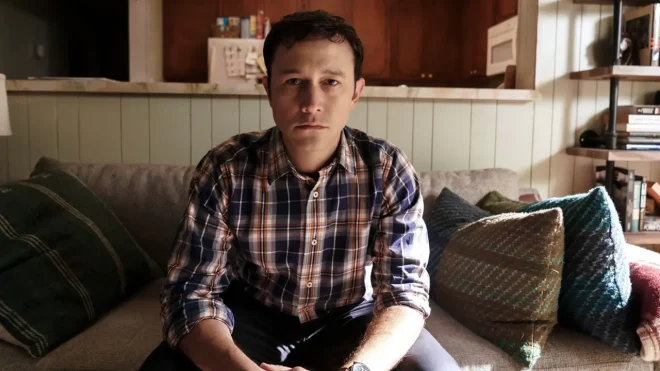
Mr. Corman, an original series produced by A24, was discontinued after a single season, leaving audiences and critics to reflect on its premature end and the unrealized potential of this ambitious creative project.
TL;DR
- Mr. Corman lasted only one season on Apple TV.
- Joseph Gordon-Levitt starred and A24 produced.
- Strong reviews couldn’t save it from early cancellation.
A Promising Collaboration Cut Short
The television landscape saw a notable collaboration when the series Mr. Corman, headlined by acclaimed actor Joseph Gordon-Levitt, made its debut on Apple TV+. Backed by the renowned production house A24, expectations for this show were unmistakably high. Despite this, the series met an abrupt end after just one season, surprising many observers in the industry.
Casting and Production Powerhouse
At the heart of the show was Gordon-Levitt, not only starring but also shaping the creative direction behind the scenes. The involvement of A24, a studio celebrated for its daring and critically lauded projects, added further prestige. With such heavyweights attached, anticipation swelled around what many assumed would be a long-running success.
Critical Response Versus Commercial Reality
Upon release, Mr. Corman received a warm reception from critics who praised its introspective narrative style and unique visual flair. Still, solid reviews alone failed to translate into sustained viewership or renewal from its streaming platform. Several factors explain this decision:
- The fiercely competitive environment among new streaming originals;
- The challenge of standing out despite critical praise;
- The difficulty in building an immediate audience for unconventional storytelling.
An Early Exit with Lingering Questions
Ultimately, even robust endorsements from critics could not guarantee longevity for Mr. Corman. The show’s single-season run has left fans and analysts alike pondering whether streaming successes now require more than star power and reputable production partners—perhaps needing a more direct connection with wider audiences. Whether its fate signals changing tastes or simply stiff competition, the rapid cancellation serves as yet another reminder that in today’s crowded market, even standout series may struggle to survive past their debut.