Macron’s Visit to Damascus Signals Major Shift in Policy
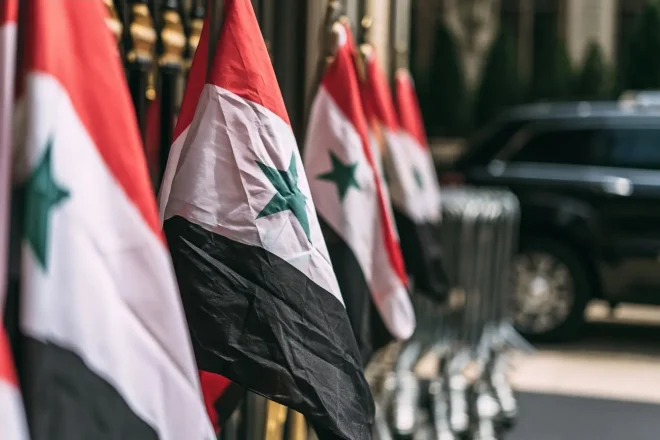
Emmanuel Macron’s recent visit to Damascus signals a significant shift in French diplomatic strategy, drawing international attention as Paris reconsiders its approach to the Syrian conflict and seeks renewed engagement with President Bashar al-Assad’s government.
TL;DR
- Emmanuel Macron makes a historic visit to Damascus.
- The trip signals political, security, and economic intent.
- First such French visit since the fall of Bashar al-Assad.
A Landmark Visit: Macron Touches Down in Damascus
The arrival of Emmanuel Macron in Damascus marks a moment that few could have anticipated just years ago. With the fall of Bashar al-Assad, this visit stands as the first by a French leader to the Syrian capital since that dramatic turning point. The symbolism is potent, echoing well beyond the region and catching the attention of diplomats worldwide.
A Triple Signal: Politics, Security, Economy
Observers are quick to read into the layers behind this move by the French president. The timing and nature of his presence in Syria send a multidimensional message—one that is at once political, security-focused, and economic. Several factors explain this decision:
- A renewed French interest in shaping Syria’s post-conflict future.
- Concerns over regional stability and counterterrorism efforts.
- The prospect of rebuilding ties for future reconstruction and investment.
Repercussions for International Relations
Undoubtedly, Macron’s journey is more than a mere diplomatic formality. By stepping onto Syrian soil, France may be repositioning itself within shifting Middle Eastern alliances. This could lead to fresh dialogues with both traditional allies and rivals—each watching for signs that France seeks a larger role in addressing Syria’s humanitarian crisis or guiding its economic recovery.
The Broader Context: What’s Next?
While concrete outcomes from this visit remain to be seen, the act alone speaks volumes about changing European strategies towards Syria. Whether it paves the way for further engagement or stirs controversy remains an open question. For now, all eyes are on what follows as France signals its readiness to engage where others have hesitated—and perhaps recalibrate broader policy towards this critical corner of the world.