Curiosity May Be Key to Living a Longer Life
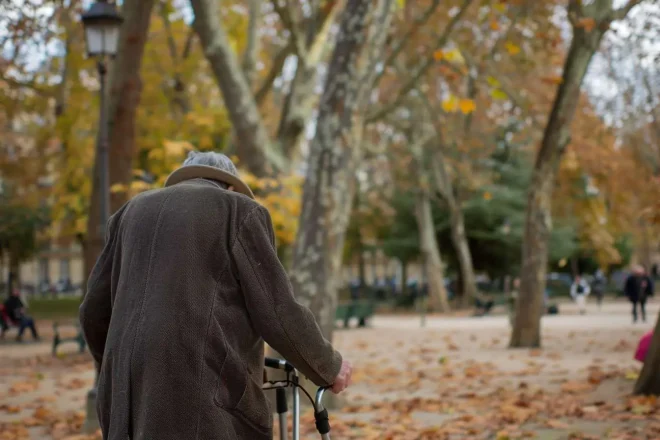
As people increasingly reach the age of 100, researchers are exploring the factors that contribute to such longevity. Emerging evidence suggests that curiosity may play a more significant role in healthy aging and extended lifespan than previously recognized.
TL;DR
- Personality traits linked to more active aging.
- Sardinian study finds a clear association, not causation.
- Research highlights signals, invites further investigation.
Personality’s Role in Aging: Insights from Sardinia
The notion that our personality can shape the way we age has often surfaced in scientific debates, but new research conducted on the Mediterranean island of Sardinia offers compelling evidence linking certain personality traits with a more vibrant, active later life.
The Sardinian Connection
Sardinia, well-known for its unusually high number of centenarians, served as the setting for a study that meticulously examined how individual differences might contribute to longevity and quality of life in old age. The research team observed a diverse sample of older adults, looking specifically at correlations between their behaviors and day-to-day activity levels.
Findings: Active Aging and Personality Traits
While delving into the data, the researchers identified that some personality characteristics—such as optimism, adaptability, or social engagement—appeared consistently among those who maintained an energetic lifestyle well into their senior years. Several factors help explain these observations:
- Resilience in facing daily challenges often led to greater independence.
- Social connectivity correlated with higher levels of physical activity.
- An open-minded outlook frequently matched reports of sustained curiosity and learning.
Yet, it’s important to underline that these results point to association rather than proof of cause and effect.
A Signal, Not the Full Story
Despite these robust associations, the authors caution against drawing definitive conclusions about causality. The study stops short of claiming that cultivating certain traits will guarantee an active old age. Instead, it highlights strong signals deserving further exploration—an invitation for future research to untangle whether nurturing these traits can indeed impact how we experience aging.
In sum, while this Sardinian investigation adds weight to longstanding hypotheses about personality and aging, it ultimately opens more doors than it closes. For now, the message is subtle but clear: who we are may well be intertwined with how we grow older—but many questions remain unanswered.