Chronic Fatigue: Brain Cleansing Link Discovered by Researchers
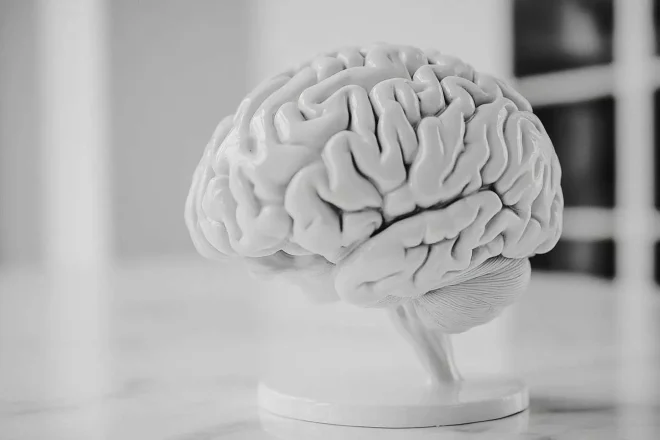
Recent research suggests a potential connection between chronic fatigue and the brain’s cleaning processes, offering new insights into the underlying causes of this debilitating condition and opening avenues for future scientific investigation.
TL;DR
- Australian researchers link chronic fatigue to brain cleaning issues.
- The findings remain preliminary but are promising.
- This connection could reshape understanding of chronic fatigue.
Fresh Insight Into Chronic Fatigue’s Origins
A research team in Australia has made a compelling breakthrough, proposing a direct link between chronic fatigue and an impaired brain cleansing mechanism. Although these findings remain in the early stages, they point toward a potentially transformative understanding of this challenging condition.
The Brain’s Cleansing System Under Scrutiny
At the heart of the investigation lies the brain’s intricate “cleaning” process—a network often referred to by experts as the glymphatic system. Responsible for flushing out metabolic waste during sleep, this system is essential for healthy neurological function. The Australian scientists suspect that when this cleansing falters, the resulting build-up could fuel persistent symptoms of exhaustion associated with chronic fatigue syndrome (CFS).
A New Direction for Research
This emerging hypothesis diverges from traditional approaches, which have long focused on immune or psychological origins. Several factors explain this shift in perspective:
- A lack of clear biomarkers for CFS hampers diagnosis and treatment.
- Patients frequently report unrefreshing sleep—hinting at disrupted night-time brain activity.
- Recent advances in neuroimaging allow researchers to better observe waste clearance in real time.
These developments, combined with mounting anecdotal evidence from patients, suggest that something fundamental may be amiss in how the brain rejuvenates itself during rest.
Cautious Optimism Amid Preliminary Results
While enthusiasm about these revelations is understandable, the research team underscores the need for caution. The connection between sluggish cerebral cleaning and debilitating fatigue is not yet definitive. Nevertheless, if subsequent studies confirm these observations, it could open doors to innovative treatments—or at least clarify why current therapies so often fall short.
This line of inquiry offers fresh hope for those who have struggled with misunderstood symptoms for years. If further investigation supports the Australian group’s theory, addressing dysfunction within the glymphatic system may one day revolutionize care for individuals battling chronic fatigue.