The Hunt for Gollum Uses AI to De-Age Characters
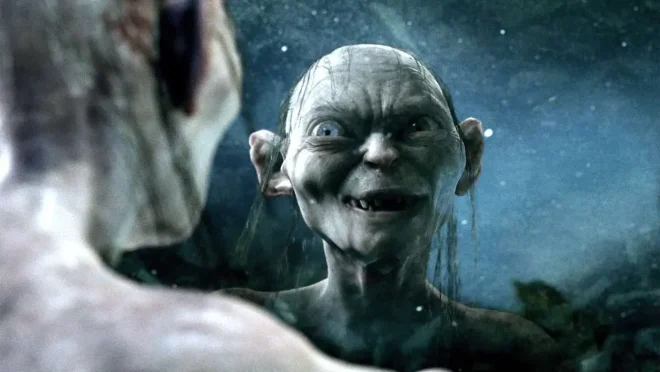
The upcoming film The Hunt for Gollum will employ artificial intelligence technology to digitally de-age select actors' faces, marking a notable use of AI-driven visual effects in the production process.
TL;DR
- Upcoming Gollum film will use AI in specific ways.
- Andy Serkis emphasizes classic filmmaking techniques remain primary.
- AI’s role limited and carefully controlled during production.
Modern Technology Meets Middle-earth
The much-anticipated new project centering on Gollum, a beloved yet tormented character from The Lord of the Rings universe, is generating significant interest—and not just for its return to J.R.R. Tolkien’s iconic world. The filmmakers have confirmed that artificial intelligence (AI) will play a role, but they insist its application will be strictly limited.
Assurances from Andy Serkis
Andy Serkis, whose career-defining portrayal of Gollum set new standards for performance capture, addressed growing concerns about the possible overuse of AI in cinema. He stressed that while this technology will be involved in production, the core of the creative process will rest firmly on tried-and-true, traditional methods. For fans anxious about losing the distinctive magic that characterized earlier adaptations, Serkis’ words come as a reassuring promise.
The Precise Role of AI in the New Film
Several factors explain this cautious approach to innovation:
- AI is slated to assist with technical enhancements—not to replace actors or artisans.
- Its use is confined to narrowly defined tasks within visual effects pipelines.
- The creative team’s top priority remains authenticity and fidelity to established techniques.
By keeping AI’s contributions highly focused, the production aims to avoid diluting the human artistry at the heart of Tolkien’s tales.
A Balancing Act for Filmmakers
Navigating between technological advancement and tradition can be tricky. On one hand, innovations like AI offer valuable tools for streamlining complex workflows and achieving ambitious visual results; on the other, there’s an understandable fear that such tools could overshadow human creativity. Here, Serkis and his colleagues appear determined to strike a careful balance—leveraging digital advances without compromising the emotional depth or narrative authenticity audiences expect.
In short, as excitement builds for this next chapter in Middle-earth storytelling, both nostalgia and innovation seem poised to coexist. With a clear commitment to honoring classic cinematic craftsmanship while thoughtfully embracing new technologies, the team behind Gollum’s return seeks not only to satisfy dedicated fans but also push boundaries—albeit with great respect for what has come before.