Nutella, Honey, Acetamiprid: Key Findings from NGO Warning
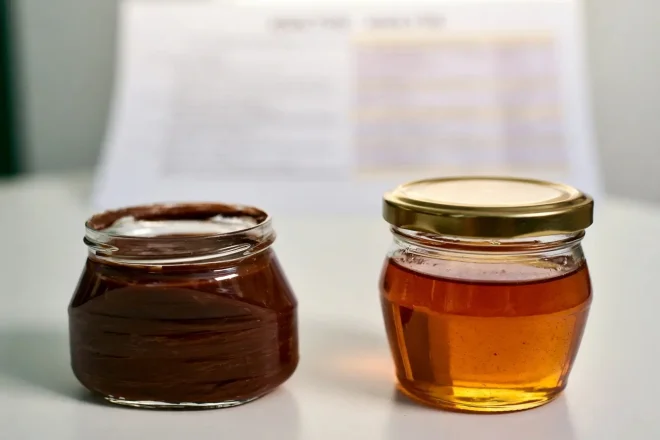
A recent warning from a non-governmental organization highlights concerns about popular products like Nutella and various honeys, drawing attention to the presence of acetamiprid, a pesticide, and raising questions about food safety standards.
TL;DR
- NGO detects neonicotinoids in Nutella and honey.
- Traces found remain within legal limits.
- Controversy surrounds these widely criticized substances.
Pesticide Residues Found in Popular Foods
A recent investigation by the French non-profit organization Générations Futures has revealed the presence of traces of neonicotinoid pesticides in a dozen well-known food products, including the globally recognized hazelnut spread Nutella and several varieties of honey. The findings have reignited debate over the continued use of these controversial chemicals in agriculture.
The Scope of the Analysis
In its report, Générations Futures conducted a targeted analysis on twelve commonly consumed items. Among them were popular brands such as Nutella, alongside assorted honeys available in French supermarkets. Each product tested contained measurable amounts of at least one neonicotinoid compound. These substances, often deployed to protect crops from insect pests, have been at the heart of environmental controversies for years due to their potential impact on pollinators like bees.
The Legal Context and Ongoing Concerns
Although all detected residues fell within current European regulatory thresholds, critics argue that even low levels should be a cause for concern. Several factors explain this persistent unease:
- Neonicotinoids have been linked to declining bee populations and broader ecological risks.
- The cumulative effects of chronic exposure in humans remain insufficiently studied.
- The public’s trust is undermined by repeated revelations of pesticide traces in everyday foods.
For many advocates, legal compliance does not necessarily equate to public safety—especially when it comes to chemicals that have faced partial bans or restrictions across the European Union.
A Divisive Issue for Consumers and Producers Alike
Major brands like Ferrero, which manufactures Nutella, now face fresh scrutiny, even though the company maintains its adherence to strict sourcing standards. Meanwhile, consumer groups are urging tighter controls and greater transparency about pesticide residues. The broader agricultural sector, too, is caught between regulatory demands and market expectations—a balancing act likely to intensify as awareness grows.
Ultimately, while current legislation permits trace levels of such substances, public pressure may yet drive further change in how our food is produced and monitored. For now, the debate over the use—and detection—of neonicotinoids in everyday products is far from settled.