American Soldiers Killed in Jordan: Tensions Rise in Middle East
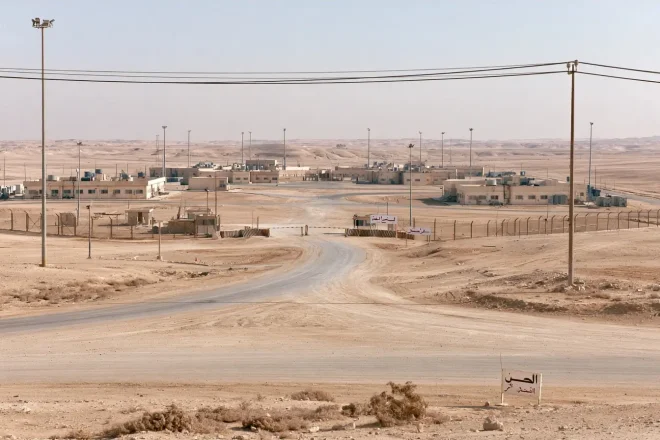
The recent deaths of American soldiers in Jordan have heightened tensions in the region, raising concerns about potential escalation as officials and observers assess the broader implications for stability and security in the Middle East.
TL;DR
- Two American soldiers killed in Jordan by Iran-linked attacks.
- Conflict spreads to Kuwait and Strait of Hormuz.
- Regional tensions escalate following recent incidents.
Rising Tensions Across the Middle East
A wave of violence has swept through the region as two members of the United States military lost their lives in Jordan. These deadly assaults, which authorities have linked to Iranian-backed groups, mark a significant escalation in ongoing hostilities and cast a shadow over an already volatile landscape.
The Incident in Jordan
Sources report that the two American service members were killed during targeted attacks on a military base situated within Jordanian territory. The strikes have been traced back to actors believed to be affiliated with Iran, although official confirmation regarding their precise identity remains under close investigation. With American forces present in the region for counter-terrorism and stability operations, such incidents raise pressing questions about both security and future strategy.
A Conflict With Wider Implications
The reverberations of this episode have not been confined to Jordan. Recent days have also witnessed the conflict spilling into other key areas—most notably Kuwait and the strategic Strait of Hormuz. Military maneuvers and heightened alert levels have followed, as governments brace for potential retaliation or further provocations.
Several factors explain this sudden spread:
- The strategic importance of U.S. deployments in neighboring countries.
- The presence of vital shipping routes like the Strait of Hormuz.
- An uptick in activity by Iranian-linked militant organizations across borders.
Regional Instability Looms
For regional leaders and international observers alike, these developments are deeply concerning. As tit-for-tat strikes continue and accusations fly between state actors, fears mount over a possible broader confrontation. While diplomatic channels remain open, recent events underscore how swiftly local incidents can spiral into wider crises.
In summary, with two American fatalities in Jordan and signs of escalating military activity stretching from Kuwait to the Persian Gulf’s main maritime chokepoint, stakeholders are watching closely—and anxiously—for any indication that stability might return. As tensions linger, the coming weeks will likely prove decisive for both local populations and foreign interests across this critical part of the world.