Facial Skincare and Hair Loss: Surprising Connections Explained
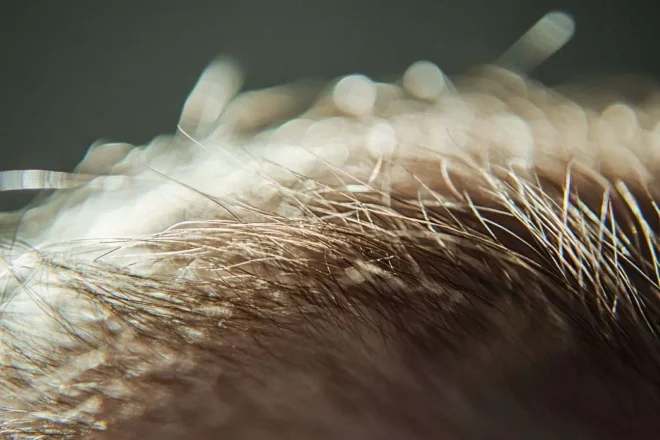
The relationship between hair loss and certain facial skincare routines has recently attracted attention. Experts and consumers alike are questioning whether some beauty treatments could inadvertently contribute to thinning hair, prompting a closer look at common products and practices.
TL;DR
- Moisturizers, sunscreens linked to rare hair loss type.
- No definitive proof of a direct connection yet.
- Experts urge caution while research continues.
Possible Link Between Cosmetics and Hair Loss Examined
Growing attention is being paid by the scientific community to a possible link between commonly used personal care products—specifically, certain moisturizers and sunscreens—and an uncommon condition known as frontal fibrosing alopecia. This form of hair loss, which primarily affects the front hairline, has seen a noticeable increase in diagnoses over the past decade, prompting experts to investigate potential environmental and behavioral triggers.
What Studies Reveal So Far
Researchers have observed that patients with this rare condition often report frequent use of products such as facial creams and sun protection. Several factors explain this decision to focus on these items:
- The scalp and face come into direct contact with ingredients in these formulations.
- The rise in cases coincides with increased product usage in recent years.
- Certain compounds found in moisturizers and sunscreens are under scrutiny for their possible roles as triggers or accelerants.
Nevertheless, while initial findings suggest an association, the scientific literature stops short of confirming a definitive cause-and-effect relationship. The evidence at this stage is largely circumstantial.
Lack of Conclusive Proof Keeps Debate Open
It must be emphasized that the existence of a signal—a statistical correlation—does not automatically indicate causation. No direct mechanism explaining how these products might contribute to the onset of frontal fibrosing alopecia has been established. In other words, although there is mounting suspicion within dermatological circles, hard proof remains elusive.
Advice from the Dermatology Community
In light of current uncertainties, leading specialists from institutions such as the International Society of Hair Restoration Surgery advise both practitioners and the public to remain attentive but measured. Discontinuing all use of moisturizers or sunscreens is not being recommended at this stage. Instead, they suggest monitoring for symptoms and consulting a healthcare provider if unusual hairline changes occur.
For now, further research is urgently needed before drawing any firm conclusions. Until then, vigilance combined with balanced information appears to be the wisest course.