New Study Reveals Insights on Maximum Human Lifespan Limit
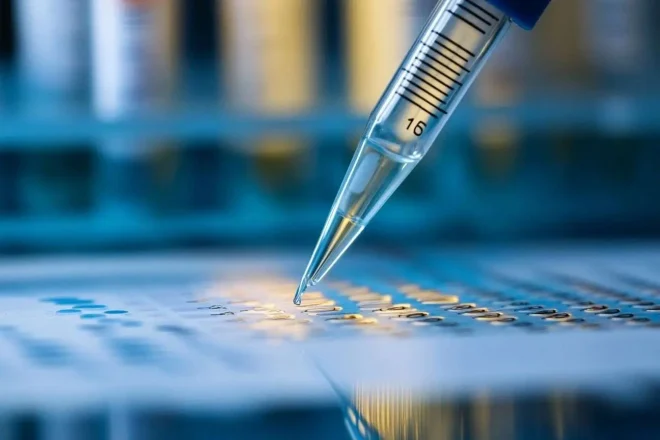
A recent study offers new insights into the potential maximum lifespan for humans, challenging previous assumptions and fueling ongoing debate among scientists about whether there is a definitive boundary to how long people can live.
TL;DR
- Anti-aging treatments can’t grant immortality.
- New research suggests a theoretical lifespan limit.
- This work offers fresh insight into human aging.
The Illusion of Immortality Challenged by Science
Despite remarkable advances in anti-aging science, the notion of living forever remains firmly out of reach. Recent findings by a team of researchers propose a theoretical upper boundary to the human lifespan—a concept that shakes up our understanding of how, and how long, we age.
Why Even Perfect Treatments Have Limits
Hopes pinned on future medical breakthroughs or miraculous *anti-aging* therapies often gloss over one sobering truth: biological constraints persist. According to the study, even if all known causes of death could be eliminated or perfectly treated, humans would still encounter an inescapable wall—our bodies are hardwired with certain limits that no amount of intervention can override.
Several factors explain this conclusion:
- The body’s cellular machinery deteriorates irreversibly over time.
- Genetic programming restricts the maximum functioning period of organs.
- Random damage accumulates despite preventive measures or treatments.
Redefining Human Longevity
The research offers more than just numbers; it reframes *aging* itself as a process governed by complex interactions within our genetic code and physiology. While the dream of unending youth has fueled everything from literature to scientific investment, this perspective encourages both society and policymakers to reconsider expectations around longevity—and perhaps focus more energy on improving quality, rather than sheer quantity, of years.
Fresh Perspectives from Genetic Evaluation
By leveraging advanced *analytical instruments* and insights from *genetic evaluation*, the scientists bring a sharper lens to questions about lifespan. Their approach highlights not only what holds us back from living forever but also where future efforts might best be directed—to extend healthy life within realistic boundaries.
Taken together, these findings remind us that while science continually redefines what’s possible for human health, some boundaries—however inconvenient—remain stubbornly in place. If anything, they invite us to look at aging with new eyes: as a fundamental aspect of our biology rather than merely a problem waiting for a technological fix.