Brain Undergoes Major Changes Around Age 50, Study Finds
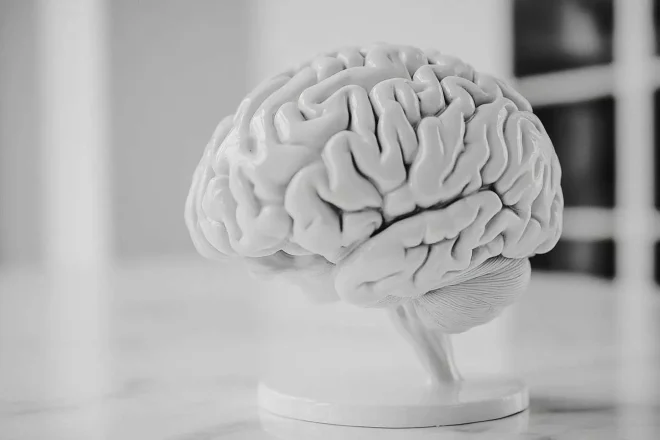
Recent research reveals that significant changes in brain structure and function may occur earlier than previously believed, with a notable shift identified around the age of 50. This discovery could reshape current understanding of cognitive aging.
TL;DR
- Brain aging shifts noticeably around age 50.
- Immune cells in the brain are gradually replaced.
- Genetic architecture becomes increasingly unstable.
Aging and the Brain: A Critical Juncture at Midlife
Recent scientific research has pinpointed a decisive turning point in the aging of the human brain, emerging distinctly around the age of 50. This study—conducted by a team of international neuroscientists—sheds new light on how our most complex organ changes as we move through life’s middle years. The findings suggest that, past this threshold, key biological processes governing brain function begin to alter more rapidly and profoundly than previously understood.
Shifts in Brain Immune Defenses
One of the study’s most striking revelations concerns the transformation within the brain’s own immune system. According to the researchers, specialized immune cells known as microglia start being replaced at an accelerated rate during this period. These cells play a crucial role in maintaining neural health and combating inflammation. Their gradual replacement may leave the brain more vulnerable to neurodegenerative processes—a possible explanation for increased risk of cognitive decline seen with advancing age.
Disrupted Genetic Blueprint
In tandem with these cellular changes, scientists observed an increasing disorder within the brain’s genetic architecture. The organization of genes that regulate essential functions appears to become less stable after fifty. While some degree of change is inevitable as we age, this genetic disruption could compromise everything from memory formation to repair mechanisms. Several factors explain this phenomenon:
- Accumulated environmental stressors over decades of life
- The waning efficiency of internal repair systems
- A natural slowdown in cellular regeneration
Implications for Healthy Aging
For those invested in maintaining cognitive vitality well into their later years, these findings carry substantial weight. Understanding precisely when—and how—these shifts occur opens new avenues for targeted interventions or preventive measures. The work underscores just how dynamic and vulnerable our brains become as we enter midlife, urging policymakers and medical professionals alike to prioritize early detection and care strategies.
The world of neuroscience continues to unravel complex truths about aging, but one message emerges clearly: by acknowledging these midlife transformations in immune response and genetic structure, society may find better ways to protect mental health throughout adulthood.