Why Mosquitoes Prefer Certain Skin Types Over Others
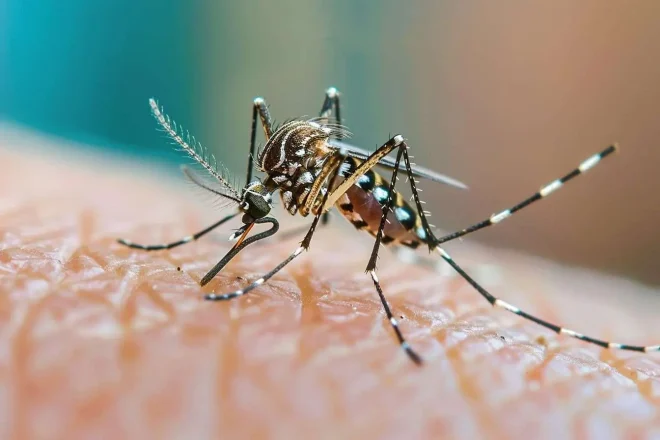
Not everyone attracts mosquitoes equally, a phenomenon that has long puzzled scientists and the public alike. Researchers are investigating the biological and chemical factors that influence why some people seem more appealing to these insects than others.
TL;DR
- Mosquito attraction depends on species and skin scent.
- Certain skin bacteria influence mosquito preference.
- Miami study highlights complex human-mosquito interactions.
The Complex Chemistry Behind Mosquito Attraction
A recent investigation from Miami has upended many assumptions about why certain people seem irresistible to mosquitoes, while others remain largely unbothered. By focusing on the intricate interplay between various mosquito species, the unique scents emanating from human skin, and the subtle but powerful presence of specific bacteria, researchers are beginning to unravel this persistent summertime mystery.
Not All Mosquitoes Are Alike
Though it may come as a surprise, not every mosquito responds to humans in the same way. The Miami study makes it clear: each species exhibits distinct preferences when it comes to human hosts. For some, particular odors produced by our bodies serve as an open invitation; for others, those same scents hold little appeal. This nuanced understanding marks a shift away from previous beliefs that assumed mosquitoes operate as a monolithic group.
The Scent Factor: Odors and Bacteria
Delving deeper, scientists have found that our individual attractiveness to mosquitoes stems from a mix of factors. Chief among these is the specific combination of volatile compounds released through our skin—a sort of olfactory fingerprint unique to each person. But there’s more at play: certain bacteria living on our bodies can subtly alter these odors, enhancing or diminishing their allure to different mosquito species.
Several factors explain this new perspective:
- Species-specific responses: Mosquitoes’ preferences vary according to their type.
- Skin chemistry: Unique body scents are shaped by genetics and environment.
- Bacterial influence: Microbes on skin modulate scent profiles in complex ways.
A Closer Look at Human-Mosquito Interactions
What emerges from the Miami research is a portrait of human-mosquito interaction that’s far more intricate than previously realized. It turns out that being targeted by these tiny pests isn’t simply bad luck or genetic fate—it’s the result of an evolving interplay between biology and ecology. As scientists continue exploring these relationships, the hope is that deeper knowledge could lead to smarter strategies for protecting people against bites and diseases transmitted by mosquitoes.
In sum, understanding how mosquito attraction works could reshape efforts in public health across regions plagued by these persistent insects.