Tattoo Ink Safety: One Third Contain Harmful Bacteria
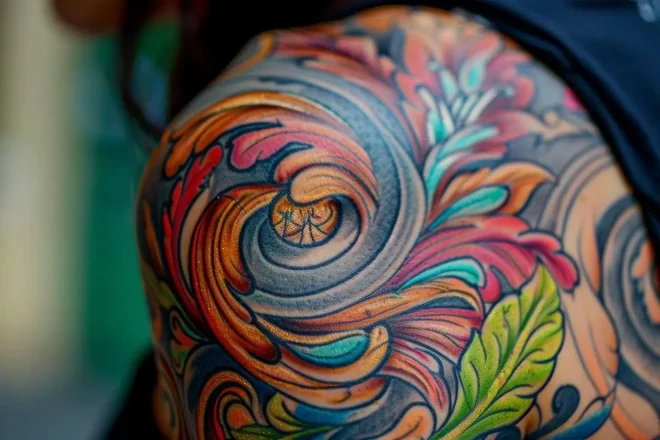
Recent testing has revealed that a significant portion of tattoo inks on the market are contaminated, with one out of three samples found to contain bacteria. These findings raise concerns about health risks for both tattoo artists and clients.
TL;DR
- FDA finds frequent contamination in tattoo ink products.
- Even “sterile” labeled bottles tested positive for microbes.
- Potential health risks for tattoo and permanent makeup users.
Widespread Contamination Detected in Tattoo Inks
A recent investigation by the U.S. Food and Drug Administration (FDA) has brought to light a disconcerting issue: a significant proportion of tattoo inks and permanent makeup pigments on the market show signs of microbial contamination. The findings, based on an analysis of 259 different ink samples, raise fresh questions about consumer safety and regulatory oversight in the booming body art industry.
Sterile Labels Offer Little Reassurance
Of particular concern is the discovery that numerous ink bottles marketed as “sterile” were found to harbor bacteria or other potentially harmful microorganisms. This revelation is likely to unsettle both professionals and clients who depend on such assurances for peace of mind. Despite manufacturers’ claims, sterility appears not to be guaranteed, with some products still containing contaminants even after standard quality checks.
Health Implications for Consumers
Tattoo enthusiasts, as well as those seeking permanent makeup, may face risks ranging from mild skin irritation to more serious infections. The introduction of contaminated substances into the skin can trigger unwanted reactions, especially among individuals with heightened sensitivity or compromised immune systems. Several factors explain why this issue persists:
- Lack of rigorous oversight for certain cosmetic products;
- Complex supply chains complicating traceability;
- Persistent gaps between regulatory standards and industry practices.
A Growing Industry Facing Fresh Scrutiny
As tattoos and permanent makeup become ever more popular forms of self-expression across generations, these revelations may prompt renewed calls for tighter controls. With the FDA’s analysis now public, pressure is likely to build on both manufacturers and regulators to ensure that products are truly safe before reaching consumers. For now, individuals considering body art are advised to discuss product choices with trusted artists and remain aware of potential health risks posed by contaminated inks—a reminder that not all risks are visible at first glance.