New Cholesterol Filter May Remove PFAS and Plastic Pollutants
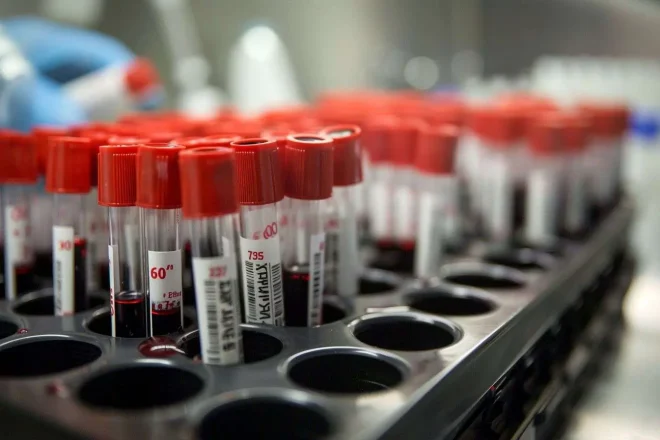
A cholesterol-lowering filter is showing promise for capturing PFAS chemicals and microplastics as well, raising hopes for a broader solution to multiple environmental and health threats linked to persistent pollutants in water and food supplies.
TL;DR
- Cholesterol treatment also reduces some PFAS in blood.
- Effects on microplastics remain inconclusive and uncertain.
- Technique’s broader health implications are still under study.
A Surprising Link: Cholesterol Therapy and Blood Pollutants
Recent research has uncovered an intriguing connection between a technique commonly deployed to address severe cholesterol levels and the reduction of certain persistent pollutants in the bloodstream. The focus, specifically, has been on the removal of so-called PFAS—per- and polyfluoroalkyl substances—often dubbed “forever chemicals” for their remarkable resilience and tendency to accumulate over time.
The Hidden Reach of Medical Interventions
At first glance, this overlap might seem purely coincidental. Yet the results suggest that treatments designed to extract excess cholesterol could simultaneously lower concentrations of select environmental contaminants present in human blood. In studies conducted by leading laboratories, these therapies showed a clear decline in several types of PFAS, chemicals regularly found in everyday products from non-stick pans to waterproof fabrics. For many public health advocates, this unexpected outcome hints at wider benefits for patients undergoing such procedures.
The Limits: Microplastics Remain a Challenge
Despite promising results with PFAS, scientists caution against broad optimism. Data regarding the impact of these cholesterol-lowering techniques on microplastics—tiny plastic particles now routinely detected within human tissues—remains patchy at best. Several factors explain this gap:
- Microplastics vary significantly in size and composition.
- Detection methods for microplastics are less standardized.
- The mechanisms governing their retention or removal are poorly understood.
Consequently, experts underscore that the evidence supporting microplastic reduction through this avenue is not yet robust enough to draw firm conclusions.
What’s Next for Public Health?
While these findings open the door to new questions about the unintended benefits of established medical procedures, more rigorous investigation will be needed before any shifts in clinical practice can be recommended. For now, both physicians and environmental health specialists are watching developments closely, aware that what began as an effort to combat high cholesterol may inadvertently offer new tools against some of today’s most persistent chemical threats.