Brain Plasticity Proven at Any Age: New Study Challenges Myths
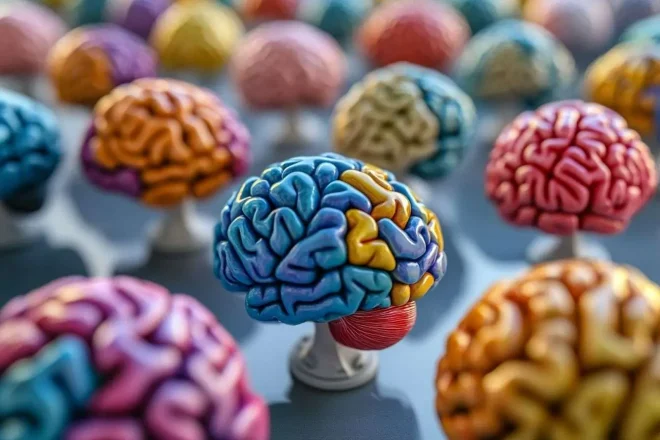
Recent research challenges a long-standing belief about brain development, revealing that cognitive growth and learning remain possible throughout life. The study suggests our brains retain the capacity to adapt and improve, regardless of age.
TL;DR
- Brief cognitive exercises boost brain health at any age.
- Study tracks improvements in nearly 4,000 adults.
- Brain remains adaptable and can strengthen over time.
Cognitive Agility: Surprising Insights From Recent Research
A recent study involving almost 4,000 adults has brought fresh optimism for those concerned about maintaining their mental sharpness over the years. The findings suggest that, even as the decades pass, the human brain holds onto a remarkable ability to improve—provided it is given the right kind of stimulus.
The Science Behind Brain Flexibility
Researchers followed a large group of participants as they engaged in short, targeted activities designed to challenge their cognitive faculties. These exercises, far from being time-consuming or arduous, were brief yet potent. Results indicated measurable gains in cognitive performance across all ages studied, suggesting that even minimal but consistent mental effort pays dividends.
Key Takeaways From the Study
What’s particularly compelling about this research is its scale and inclusivity: nearly 4,000 individuals contributed data, making the conclusions more robust than previous efforts. Several factors explain why these findings stand out:
- The simplicity and brevity of the recommended activities make them accessible to virtually everyone.
- Improvements were observed regardless of participants’ initial cognitive condition or age.
- The notion that neural pathways remain malleable well into adulthood challenges long-standing assumptions about age-related decline.
A New Perspective on Aging and Mental Health
For many, the idea that brain health inevitably declines with time can be discouraging. However, this study—conducted by a team whose names have not been disclosed—reminds us that small changes in daily routine can yield significant benefits. It also encourages further exploration into how structured mental stimulation might counteract or slow down cognitive aging.
Though experts urge caution in generalizing results too quickly, these findings provide strong evidence that anyone can take proactive steps to bolster their own cognitive health. In short: your mind may be more adaptable than you think—and it’s never too late to start training it.