OLED TV Burn-In: Ongoing Risks and Prevention Tips
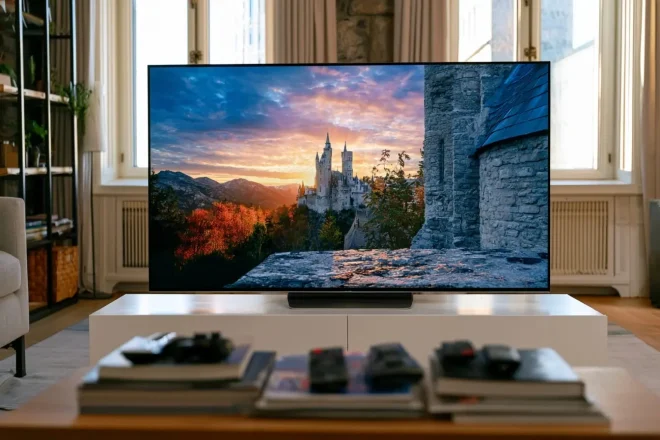
While OLED TVs are renowned for their stunning picture quality, the issue of burn-in—a permanent image retention—continues to exist. However, advances in technology have significantly reduced the likelihood, keeping the risk relatively low for most users.
TL;DR
- OLED TV burn-in remains possible, but only in rare cases.
- Recent testing highlights specific practices to avoid.
- Most users unlikely to encounter burn-in during normal use.
What the Latest Tests Reveal About OLED TV Burn-In
For years, concerns about the notorious “burn-in” effect have hovered over OLED TVs, causing some buyers to hesitate. Now, a thorough recent test has brought clarity—albeit with caveats that might reassure everyday viewers.
Extreme Scenarios Highlighted
In these newly published findings, experts subjected several OLED television models to unusually harsh conditions: static images were displayed for hours on end, pushing the panels far beyond what most households would ever do. Predictably, under such extreme circumstances, faint traces of image retention—commonly known as “burn-in”—did appear. However, it’s crucial to emphasize that these outcomes were only observed after severe and prolonged misuse.
What Should Users Avoid?
Several factors explain the appearance of burn-in during the tests:
- Leaving static logos or interface elements onscreen for extended periods.
- Displaying fixed gaming HUDs day after day without variation.
- Using maximum brightness settings for long durations with static content.
While these scenarios make for interesting lab conditions, they’re a far cry from typical viewing habits.
No Cause for Panic Among Regular Viewers
Despite lingering myths, most modern OLED TV owners will never confront serious burn-in if they use their screens as intended. Built-in features like pixel shifting and screen refresh technologies—found across leading brands such as Sony, LG, and Panasonic—further mitigate risks by regularly recalibrating pixels. Of course, a touch of common sense helps: mixing up content and avoiding excessive static imagery goes a long way.
In summary, while the specter of burn-in hasn’t disappeared completely from the world of high-end televisions, it has become largely a theoretical concern except in rare and extreme situations. For the vast majority of users, enjoying an immersive OLED experience means simply using their TV in ordinary ways—and not worrying too much about technical outliers.