Disney Sues Trump Administration Over ABC Pressure Controversy
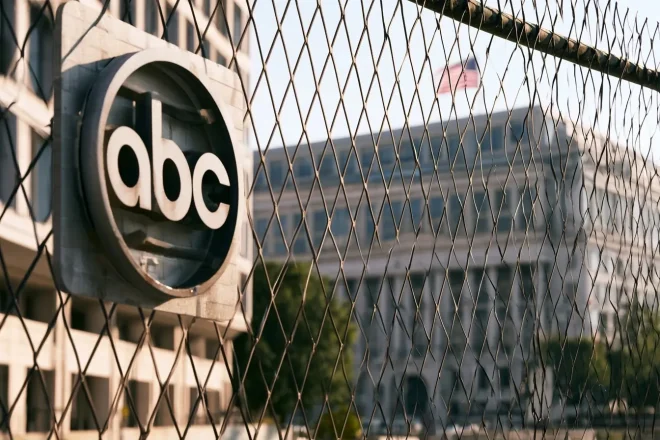
Disney has launched legal action against the Trump administration, responding to alleged political pressure placed on its television network ABC. The case highlights growing tensions between the entertainment giant and government officials over media independence.
TL;DR
- ABC and Disney file lawsuit against Trump administration.
- Alleged political pressure targets their broadcast licenses.
- Legal battle could impact media freedom in the US.
ABC and Disney Challenge Federal Pressure
The ongoing friction between Disney, its television network ABC, and the former administration of Donald Trump has escalated into a high-stakes legal confrontation. At the heart of this dispute is the claim that the government applied undue, politically motivated pressure on the broadcasters’ crucial operating licenses—a move that has set alarm bells ringing throughout the American media landscape.
Broadcast Licenses in Jeopardy
According to sources close to the matter, executives at both Disney and ABC allege that threats to their broadcast licenses were issued under questionable circumstances. These companies argue that such actions go beyond regulatory oversight, crossing into territory where editorial independence may be compromised. Several factors explain this decision:
- Political pressure cited as central to regulatory threats.
- The timing aligns with contentious news coverage by ABC.
- Media freedom fears voiced by industry observers nationwide.
The Broader Impact on Press Freedom
Legal experts and advocates for press rights have warned that this lawsuit could set an important precedent for the relationship between government authorities and major broadcasters. The case shines a spotlight on how regulatory mechanisms—such as control over broadcasting rights—might be leveraged for political advantage. That prospect unsettles many in the industry, who worry about lasting effects on journalistic independence.
A Critical Moment for Media Independence
While this legal contest unfolds, all eyes remain fixed on its potential consequences for American democracy. If courts determine that there was indeed undue interference with the issuing of vital licenses, it could spark broader calls for reforms to protect against similar challenges in future administrations. Ultimately, beyond just a courtroom battle, this clash raises essential questions about the delicate balance between governmental authority and robust, independent journalism—questions that will likely resonate long after this case concludes.