Does Burnt Toast Increase Cancer Risk? Research Findings Explained
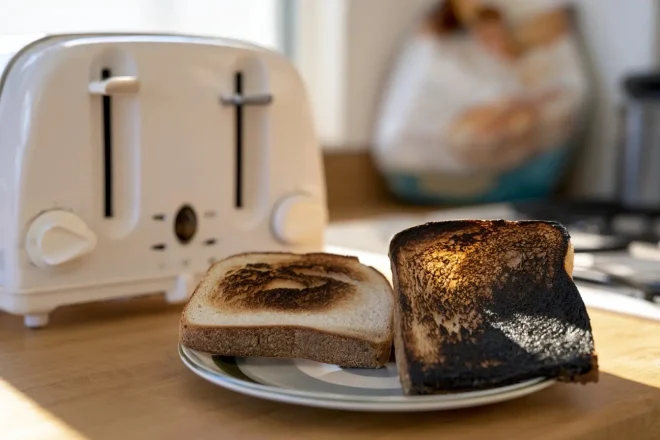
Recent studies have examined whether eating burnt toast increases cancer risk. Researchers are exploring the potential dangers of acrylamide, a substance formed when bread is toasted to very high temperatures, and what this might mean for public health.
TL;DR
- No proven cancer link from acrylamide in grilled foods.
- Concern persists despite years of research.
- Experts urge caution but no clear evidence yet.
Ongoing Concern Over Acrylamide in Food
For years, the presence of acrylamide—a chemical compound formed when starchy foods are cooked at high temperatures—has sparked debate among health experts and consumers alike. The question: could enjoying a piece of burnt toast or well-browned fries increase the risk of cancer? While public anxiety remains, definitive answers are elusive.
No Conclusive Evidence Linking Acrylamide to Cancer
Investigations conducted over the past two decades have not established a clear connection between dietary acrylamide and cancer development in humans. Multiple studies, many led by renowned institutions such as the World Health Organization and national food safety agencies, have explored possible health risks. Thus far, data collected in human populations do not support a significant link.
Why Is There Still Concern?
Despite reassuring findings, skepticism lingers for several reasons:
- Acrylamide is classified as a “probable human carcinogen” based on animal studies.
- Long-term effects from low-level exposure remain poorly understood.
- Certain food preparation habits—like toasting bread until very dark—can raise exposure levels.
These uncertainties leave room for debate among scientists and nutritionists. As a result, health authorities, including those in Europe, have called for ongoing research and recommend simple measures such as moderating cooking times.
Navigating Everyday Choices
While the science has not sounded any definitive alarms regarding everyday consumption of grilled foods, experts suggest adopting a balanced approach. Moderation in food preparation—avoiding overly charred bread or potatoes—remains prudent advice, if only out of caution rather than evidence-based necessity.
For now, the enduring worry about acrylamide reflects both our appetite for culinary pleasure and our concern for long-term well-being. The conversation continues—but so does breakfast.