US and Canada Clash Over Escalating Customs Dispute
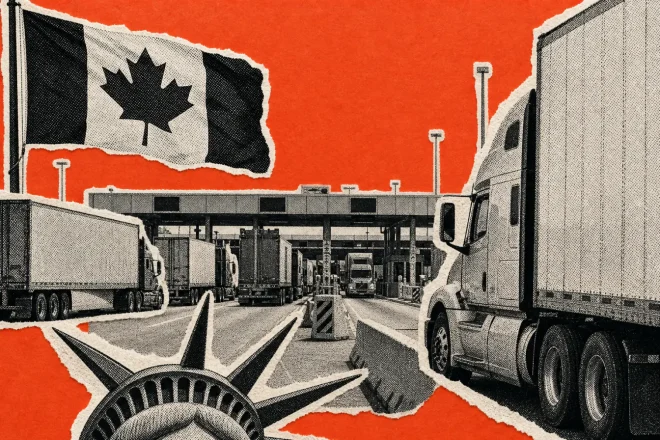
Tensions over customs regulations have resurfaced between the United States and Canada, as both Washington and Ottawa find themselves at odds once again in a renewed dispute that threatens to strain cross-border trade relations.
TL;DR
- US imposes 50% tariffs on Canadian goods.
- Canada vows retaliation amid trade dispute.
- No agreement reached to resolve ongoing tensions.
Transatlantic Trade Turmoil Escalates
Trade relations between the United States and Canada have hit a new low, with Washington implementing steep 50% tariffs on select Canadian products starting Saturday. In the absence of any last-minute deal, longstanding economic cooperation between these two neighbors now appears increasingly strained.
Canadian Response: Defiance and Retaliation
Reacting swiftly, the Canadian government has publicly announced its intention to retaliate in kind. Ottawa has underscored that it is fully prepared to shoulder the consequences of this rupture, signaling a readiness to weather potential economic turbulence. Several factors explain this decision:
- A need to defend domestic industries against sudden tariff shocks
- An effort to assert national sovereignty in trade negotiations
- A desire to maintain credibility with international partners
The Roots of Discord
The origins of this dispute are rooted in failed negotiations over critical trade issues, which neither side was able to resolve despite extended talks. Key sticking points reportedly involved market access and regulatory standards—persistent sources of friction in North American trade for decades. While specifics remain closely held, observers note that such standoffs often leave businesses on both sides of the border facing uncertainty and higher costs.
Wider Implications for North American Trade
Beyond immediate economic impacts, the escalation casts a shadow over broader regional cooperation under frameworks such as the United States–Mexico–Canada Agreement (USMCA). The introduction of steep tariffs could ripple through supply chains, affect jobs, and undermine investor confidence. As policymakers weigh next steps, many are watching closely for signs of de-escalation or further escalation in what has quickly become one of the most serious rifts between these allies in recent memory.
With no breakthrough in sight, companies and consumers alike may soon feel the consequences of this renewed trade war—a scenario few anticipated just months ago.