Best Digital Cameras 2026: Buying Guide and Top Tips
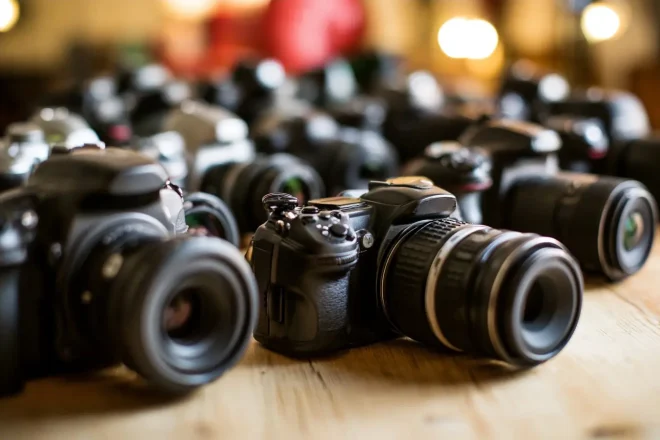
As 2026 approaches, consumers face increasingly complex choices in the digital camera market. Rapid technological advancements and shifting user needs raise questions about whether investing in new models remains practical or has become unnecessarily complicated.
TL;DR
- Smartphones handle most needs, but cameras excel in quality.
- Dedicated cameras offer greater creative control for enthusiasts.
- Higher cost and learning curve remain camera drawbacks.
The Unwavering Appeal of Dedicated Cameras
While the widespread use of smartphones has rendered them the primary tool for capturing everyday moments, the enduring relevance of traditional digital cameras is far from diminishing. Despite rapid advancements in mobile technology, many photography enthusiasts continue to prefer dedicated cameras for specific scenarios where image precision is paramount.
Superior Image Quality and Creative Flexibility
One cannot overlook that, although smartphone cameras have become remarkably sophisticated, there are crucial advantages unique to digital cameras. Several factors explain this distinction:
- Larger sensors capture more detail and perform better in low light.
- Manual settings allow nuanced adjustments over exposure, focus, and depth.
- Interchangeable lenses cater to diverse shooting styles and requirements.
These technical features empower users with greater creative control—something sought after by both seasoned professionals and passionate amateurs.
Barriers to Entry: Price and Learning Curve
However, this elevated level of control comes with notable trade-offs. The cost of high-quality camera equipment, particularly when considering accessories such as lenses or external flashes, often exceeds that of even premium smartphones. Moreover, mastering a digital camera’s full capabilities demands time and dedication—a commitment that may deter casual photographers accustomed to the simplicity of their mobile devices.
A Niche That Endures Despite Smartphone Dominance
Yet, even as smartphones evolve at a dizzying pace, the market for standalone cameras persists. For those who value uncompromising image quality and enjoy experimenting with manual settings, these devices remain essential tools. The choice between convenience and creative power ultimately rests on individual priorities—a testament to the ongoing coexistence of both technologies in our visually-driven world.