Stephen King’s Stand by Me: Lasting Impact Beyond Horror Genre
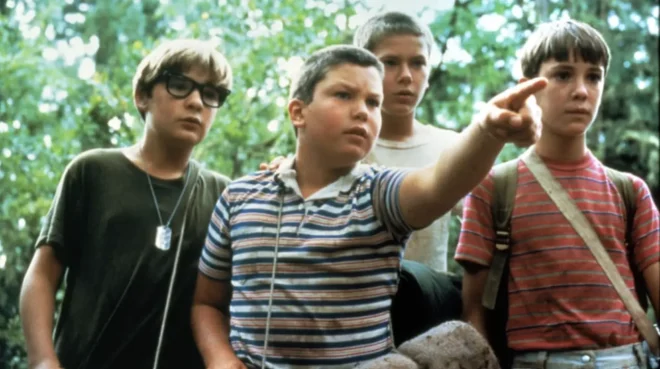
Stephen King’s legacy extends well beyond his reputation as a master of horror. His coming-of-age tale, Stand by Me, adapted from his novella, has left a lasting cultural impact, revealing the author’s range and emotional depth.
TL;DR
- Stand by Me redefined Stephen King adaptations beyond horror.
- The film debuted on August 22, 1986.
- Its coming-of-age story left a lasting cultural impact.
A New Chapter for Stephen King Adaptations
Although many associate Stephen King with terrifying tales and supernatural chills, the release of Stand by Me on August 22, 1986, broadened perceptions of what his stories could achieve on screen. Instead of relying on fright or gore, this film chose to focus on the intricate and often tender journey of adolescence—a move that surprised audiences and critics alike.
The Power of Friendship and Memory
Based on the novella “The Body,” the movie follows four young friends in the late 1950s as they embark on a poignant quest. Their search for a missing boy’s body becomes a transformative adventure that explores themes rarely foregrounded in earlier adaptations of King’s works. With its meditative pace and emotional honesty, the film highlights moments of vulnerability, loyalty, and self-discovery that feel instantly relatable—regardless of era.
A Cultural Milestone in Coming-of-Age Cinema
Several factors explain why Stand by Me has endured as more than just another adaptation:
- The film departs from typical horror elements, embracing universal emotions.
- A talented cast—including now-iconic actors—imbued each character with authenticity.
- An evocative setting and soundtrack captured the nostalgia of an American childhood.
By tapping into these strengths, director Rob Reiner offered viewers a story as bittersweet as it was memorable.
A Legacy Beyond Genre Constraints
With its debut nearly four decades ago, Stand by Me demonstrated that a narrative drawn from Stephen King’s imagination could resonate deeply without resorting to pure horror. The film paved the way for future adaptations that explored different facets of his storytelling—from psychological suspense to human drama. In doing so, it carved out a unique place within both the author’s cinematic legacy and the broader landscape of American coming-of-age films.