Winter Hydration: What Your Body Needs During Exercise
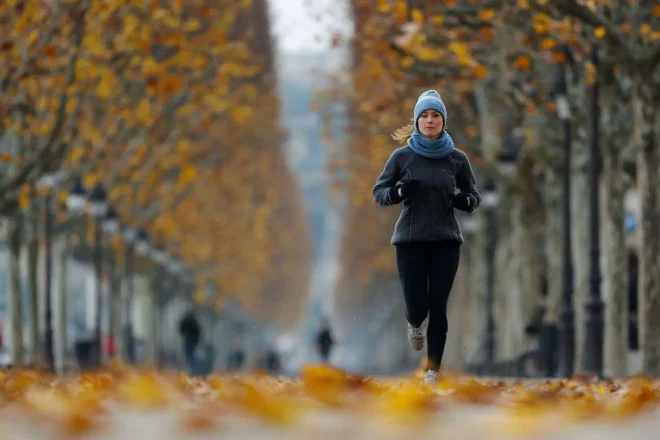
As temperatures drop, understanding the body’s true hydration needs during physical activity becomes crucial. Winter conditions can mask signs of dehydration, making it essential to adapt fluid intake and maintain performance in cold-weather exercise.
TL;DR
- Hydration needs persist even in winter workouts.
- Short exercises may rely on thirst as a cue.
- Longer efforts demand proactive fluid intake.
Staying Hydrated When Exercising in Winter
While chilly temperatures in Paris or other northern cities may dampen the urge to drink, the body’s requirements for hydration remain ever-present—especially during physical activity. Many tend to underestimate how much water they actually lose when jogging or exercising outdoors in colder months.
Short Efforts and Thirst: A Sufficient Duo?
For those engaging in brief workouts, it often seems reasonable to rely on natural thirst as a guide. The body’s cues are typically sufficient for shorter bursts of effort, signaling when it’s time to reach for a bottle. Yet, as experienced trainers and sports physicians remind us, this strategy quickly loses its reliability as the duration or intensity of activity increases.
The Hidden Risks of Underhydration
Longer outings or more demanding sessions subtly ramp up your need for fluids—even if you don’t feel sweat pouring down your face. The cold air may mask classic symptoms of dehydration, such as fatigue and reduced performance. Several factors explain why winter can be deceptive when it comes to water loss:
- Evaporation through breathing intensifies in cold, dry air.
- Sweat, though less visible under layers, remains significant.
- The body works harder to regulate its core temperature.
All these elements conspire to quietly deplete reserves before thirst even strikes.
A Proactive Approach Is Best
In practical terms, what does this mean for those braving wintry parks or streets? Experts recommend drinking small amounts regularly throughout prolonged exercise, rather than waiting for thirst to emerge. This approach not only supports performance but also reduces the risk of adverse effects from hidden dehydration. In short, whether under summer sun or winter clouds, the importance of attentive hydration should never be underestimated—even if the chill makes you forget your water bottle at home.