North Cyprus Shipwreck Reveals Major Security Flaws
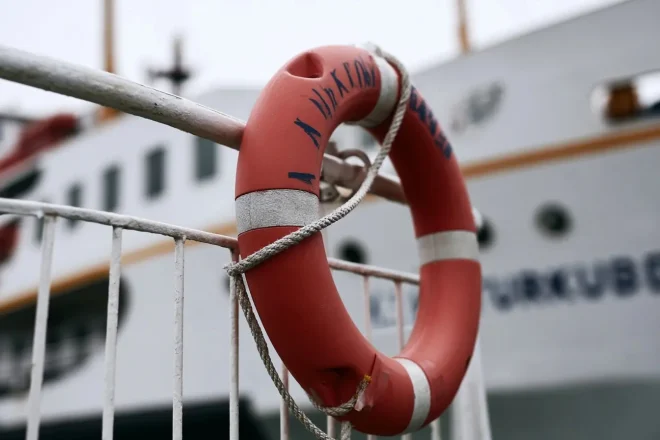
In the wake of a recent shipwreck off Northern Cyprus, concerns are mounting as critical lapses in maritime safety measures come to light, prompting urgent calls for accountability and highlighting vulnerabilities within the region’s security framework.
TL;DR
- Ferry sinking off TRNC leaves at least eight dead.
- Survivors’ accounts highlight ongoing safety concerns.
- Authorities announce initial actions after the tragedy.
A Tragedy at Sea: Ferry Sinks Off the Coast of TRNC
The quiet waters near the northern coast of the Turkish Republic of Northern Cyprus (TRNC) turned tragic recently, as a ferry disaster claimed the lives of at least eight passengers. Shock and sorrow ripple through the region, while survivors and authorities grapple with the immediate aftermath.
Survivors Describe Chaos and Loss
Accounts from those who made it ashore paint a harrowing picture. Many survivors recall scenes of confusion as the vessel began to list rapidly, giving little time for coordinated response. Some reported that life jackets were difficult to access in the panic, while others described desperate efforts to help fellow travelers amid worsening conditions. The sea, which is usually a symbol of connection for communities here, became an unforgiving adversary in moments.
Mounting Questions Over Safety
With families still searching for missing loved ones and rescue teams scouring the area, scrutiny has intensified on existing safety protocols. Questions abound regarding maintenance standards and crew preparedness on this particular route—a route frequently traveled by locals and tourists alike. Several factors explain this renewed focus on maritime safety:
- Lack of clear evacuation instructions for passengers
- Poor accessibility to emergency equipment onboard
- Past incidents with similar vessels in the region
Stakeholders now wonder whether current regulations are truly sufficient to protect lives at sea.
First Steps Toward Accountability
In response to public outcry, local authorities have begun outlining initial measures aimed at preventing future tragedies. Inspections of all passenger ferries operating near the TRNC coastline have been ordered immediately. Furthermore, a comprehensive review of maritime safety practices—encompassing crew training and vessel certification—has been announced. These steps mark only the beginning; as investigations proceed, additional reforms may emerge.
Undoubtedly, this catastrophe has prompted soul-searching among officials and families alike. While rescue operations continue and support is extended to those affected, broader changes in maritime oversight will likely dominate regional discussions in weeks ahead. The hope persists that from such loss, lasting improvements in safety may arise.