AfD Achieves Record Success in Saxony-Anhalt Under Ulrich Siegmund
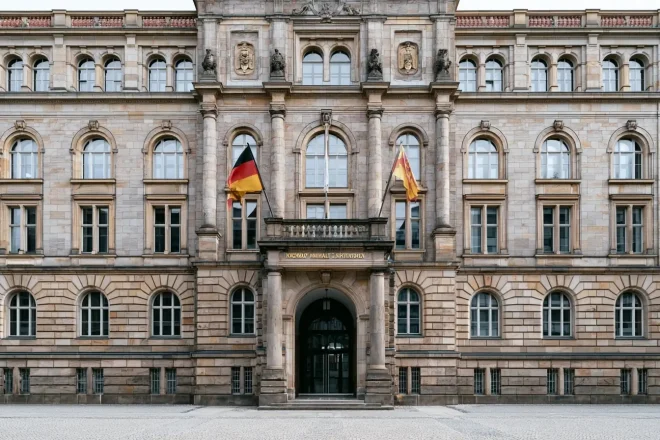
In Saxony-Anhalt, Ulrich Siegmund has played a pivotal role in driving the Alternative for Germany (AfD) party to record levels of support, marking an unprecedented development in the region’s political landscape.
TL;DR
- AfD leads in Saxony-Anhalt with 44.5% of votes.
- Local leader Ulrich Siegmund’s influence may expand nationally.
- Political landscape in the region sees dramatic shift.
A Political Upset in Saxony-Anhalt
Early results from the state elections in Saxony-Anhalt reveal a stunning performance by the right-wing party AfD, which, according to preliminary estimates, secured a remarkable 44.5% of the vote. Such an outcome signals not only a significant victory for the party within the region but also points to deeper currents reshaping Germany’s political landscape.
Ulrich Siegmund: Beyond Regional Boundaries
The local leadership of Ulrich Siegmund, at the helm of the AfD in this eastern German state, appears pivotal to these results. If analysts are correct, his growing prominence could soon extend well past state lines. In fact, observers suggest that Siegmund’s influence might shape broader debates and strategies within his party at the national level—a development that many in Berlin will be watching closely.
Implications for German Politics
Such an unexpected surge by the AfD challenges established parties and underscores shifting sentiments among voters, particularly in parts of former East Germany. Several factors explain this dramatic change:
- Dissatisfaction with mainstream parties’ policies.
- Concerns about economic disparities between regions.
- Anxiety over migration and cultural identity.
As these issues come to the fore, traditional power structures seem increasingly fragile.
A Turning Point for Saxony-Anhalt—and Beyond?
For many residents of Saxony-Anhalt, the election marks a turning point—one that reflects both frustration with existing policies and a desire for new approaches. While celebrations erupt among supporters of the right-wing party, opponents voice concerns about what such dominance could mean for democratic values and regional cohesion.
As Germany grapples with these changes, attention inevitably shifts to how other states—and eventually federal politics—will respond to this challenge from the east. Only time will reveal whether this is a momentary shock or the dawn of a new era in German politics, driven by figures like Ulrich Siegmund and his surging party.