Soil Bacteria in Classrooms Linked to Children’s Breathing
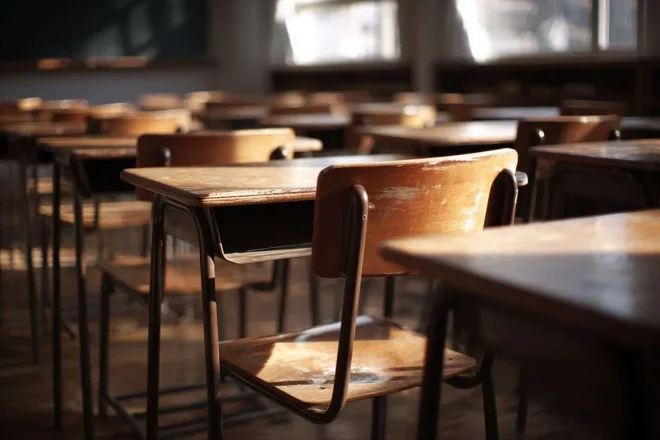
Recent findings reveal that soil bacteria are present in classrooms, closely associated with the breathing of children. This discovery sheds light on the invisible exchange between young students and their indoor environment, raising new questions about air quality in schools.
TL;DR
- Classroom dust bacteria linked to reduced lung function.
- Study spanned 22 European countries.
- Findings highlight concerns about indoor air quality.
Bacteria in the Air: A Hidden Classroom Hazard
In an unexpected revelation, a recent scientific investigation has drawn a connection between specific bacteria found in classroom dust and a modest decline in children’s respiratory health. The research, encompassing data from 22 European nations, casts new light on an often-overlooked aspect of the learning environment: the invisible world swirling within classroom air.
A Pan-European Inquiry into School Environments
The study, conducted across a broad geographic spectrum, scrutinized classrooms for microscopic particles. Researchers identified certain strains of bacteria thriving in dust that accumulates in schools—microbes that might be harmless elsewhere but appear to exert a subtle influence on young lungs when inhaled repeatedly over time.
Several factors explain this concern:
- Young students spend many hours indoors each week.
- Ventilation systems vary significantly between schools and countries.
- Prolonged exposure may have cumulative health impacts.
Lung Function Under the Microscope
According to the study’s findings, even minor changes in pulmonary performance could have meaningful consequences for vulnerable children or those predisposed to respiratory issues. While researchers stopped short of suggesting an immediate health crisis, their results suggest that even routine exposure to certain bacteria—when sustained over months or years—could subtly affect lung capacity.
A Call for Improved Indoor Air Quality
With growing awareness of how environmental factors shape student well-being, the spotlight turns to the condition of school facilities themselves. The presence of potentially harmful bacteria in dust raises questions about building maintenance and ventilation standards—a subject now gaining traction among public health advocates. As European countries look toward modernizing their educational infrastructure, attention to indoor air quality seems poised to become a central pillar of future reforms.
Ultimately, this study underscores how seemingly minor aspects of the daily environment—such as classroom dust—may quietly influence long-term health outcomes. For parents, educators, and policymakers alike, it’s yet another reminder that vigilance regarding school hygiene and maintenance is more than just good practice: it’s a matter of public health.