Endometriosis Pain Relief: Effective Solutions for Better Sex Life
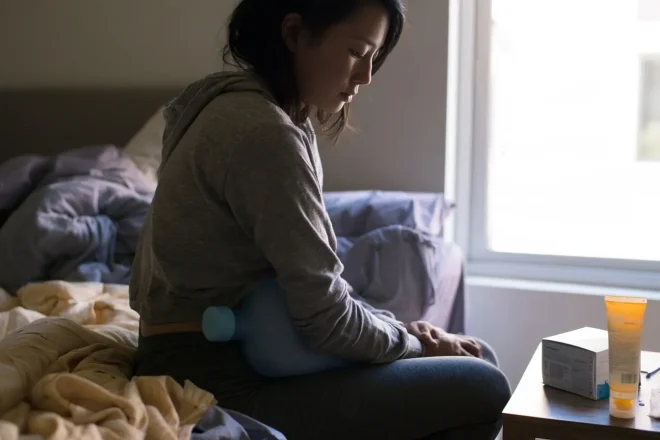
Endometriosis often brings significant pain that can affect intimacy and sexual well-being. Exploring effective ways to manage discomfort is crucial for improving quality of life and maintaining healthy relationships for those living with this condition.
TL;DR
- Endometriosis pain can disrupt intimate relationships.
- Adjustments may help, but relief isn’t guaranteed.
- Persistent pain needs proper medical attention.
Painful Encounters: How Endometriosis Affects Intimacy
For many women, the reality of living with endometriosis is more than a monthly inconvenience. The chronic pain, often underestimated by those unfamiliar with the condition, doesn’t confine itself to physical symptoms alone—it can profoundly complicate sexual relationships and intimacy. As countless couples discover, these difficulties may create additional emotional distance or misunderstanding.
Coping Strategies and Their Limits
While some adjustments can offer a measure of relief, their effectiveness varies greatly between individuals. Open dialogue between partners, experimenting with comfortable positions, or timing intimacy for days with less pain are frequently suggested by experts. Several factors explain why these solutions may fall short:
- Pain levels fluctuate unpredictably from one person to another.
- The emotional toll often outlasts the physical symptoms.
- Lack of awareness about endometriosis persists among the general public.
Despite these efforts, adaptations are not always enough. Persistent discomfort demands recognition—not only from loved ones but also from healthcare professionals.
The Need for Specialized Care
Enduring pain should never become an accepted standard in any relationship. If attempts at adaptation fail to restore comfort or pleasure during intercourse, it’s crucial to seek guidance from a qualified physician familiar with gynecological conditions like endometriosis. Specialists can recommend tailored treatments—ranging from medication to physical therapy—to alleviate symptoms and improve quality of life.
Toward Greater Understanding and Support
Increasing awareness around this invisible disease remains vital. Medical institutions such as WHO, advocacy groups, and communities worldwide continue their push for better information and access to care. With continued education and support for both patients and their partners, there is hope for more compassionate approaches and effective solutions in the future—so that intimacy need not be yet another casualty of chronic illness.