Early Deafness May Shift Visual Processing to Peripheral Vision
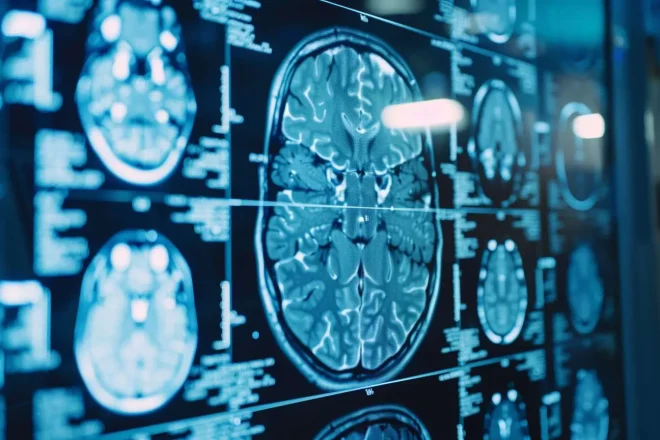
Early-onset deafness may prompt the brain to adapt by reallocating visual processing to peripheral areas. Recent research suggests this neural reorganization could enhance peripheral vision, offering new insights into sensory compensation and brain plasticity.
TL;DR
- Profound childhood deafness alters brain visual processing.
- More brain resources shift to peripheral vision areas.
- British study sheds light on sensory adaptation mechanisms.
Profound Deafness: A Catalyst for Visual Brain Adaptation
A Closer Look at Sensory Compensation
The brain’s extraordinary flexibility is once again under the spotlight, as new research from a team in the United Kingdom reveals how individuals with profound deafness from early childhood undergo notable changes in the way their brains process visual information. According to findings published recently, children who are born deaf or experience hearing loss at an early age display increased neural activity dedicated to processing what happens in their visual periphery.
Redefining Neural Priorities
Scientists at the heart of this British study used advanced brain imaging techniques—most likely MRI scans—to investigate how the absence of auditory input prompts a redistribution of cognitive resources. In these children, the regions typically responsible for auditory tasks appear to be repurposed, bolstering the processing power available for interpreting movement or objects detected outside of central vision. This shift may offer a practical advantage, enhancing spatial awareness and compensating for information normally received through hearing.
The Broader Impact on Neuroscience
Several factors explain this intriguing neural adjustment:
- The loss of one sense pushes the brain to maximize others.
- The developing mind exhibits exceptional plasticity during childhood.
- The necessity for alternative cues becomes urgent in daily life.
For researchers and clinicians alike, these discoveries deepen our understanding of how sensory deprivation triggers adaptive changes in the human brain. The study not only highlights the versatility of neural circuits but also raises important questions about education and rehabilitation strategies for those affected by early hearing loss.
Looking Forward: Implications Beyond Deafness
What stands out most is that this research goes beyond simply describing a biological phenomenon; it underscores the remarkable resilience and resourcefulness embedded within our neural architecture. As science continues to map these complex adaptations, potential breakthroughs may emerge—not only for people experiencing profound deafness but also for broader efforts in neurorehabilitation and sensory substitution technologies.
In essence, while challenges posed by childhood deafness are significant, the capacity of the human brain to adapt remains equally astonishing.