First Color Movie: Surprising Facts About Early Color Films
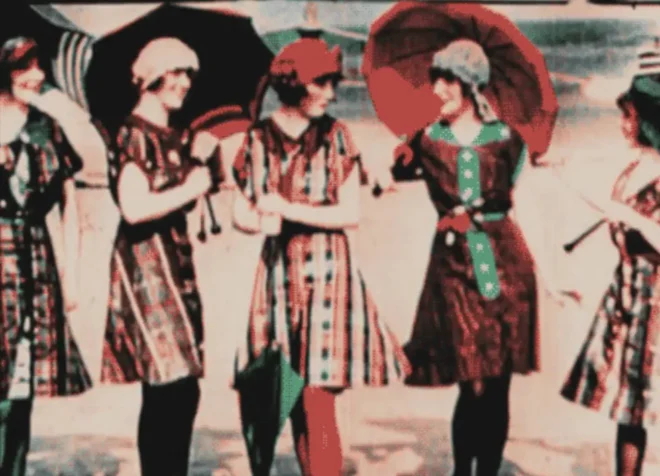
Contrary to widespread belief, the history of color cinema began earlier than many assume. While popular culture often credits certain iconic films, earlier pioneering works paved the way for the vibrant visual storytelling audiences know today.
TL;DR
- The Wizard of Oz was not the first color film.
- Earlier color movies appeared as early as 1914.
- Short films and a documentary preceded Oz’s debut.
Setting the Record Straight on Cinema History
When discussing the origins of color in cinema, many instinctively point to The Wizard of Oz, released in 1939, as the film that pioneered this technical leap. However, this popular belief misses several important milestones that came well before Dorothy set foot on the Yellow Brick Road.
The True Pioneers: Early Color Films
The emergence of color on the silver screen traces back further than most realize. As early as 1914, audiences witnessed the use of innovative techniques to bring moving pictures to life in full color. Several projects predated Hollywood’s later classics, such as:
- A handful of ambitious short films experimenting with two-color processes.
- A groundbreaking documentary exploring natural wonders in vibrant hues.
- A dramatic feature that showcased early advances in cinematic technology.
These early works laid essential groundwork for what would become standard practice in filmmaking decades later.
The Legacy and Impact of Early Color Cinematography
While these pioneering films may not have enjoyed the global fame or lasting legacy of The Wizard of Oz, their influence on cinematic technique remains undeniable. They demonstrated both technical ingenuity and a persistent drive to surpass artistic boundaries—a spirit that would shape generations of filmmakers. The gradual adoption of color reflected not just technological progress but also changing audience expectations and industry ambitions.
Rethinking Film Milestones
In light of this history, it becomes clear that credit for introducing color to cinema belongs not to one blockbuster alone, but rather to a series of bold experiments throughout the early twentieth century. By recognizing these lesser-known achievements, we gain a fuller appreciation for how today’s visual storytelling has been shaped by trailblazers who dared to reimagine what movies could look like—long before Kansas ever turned to Technicolor.